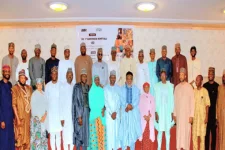
That whole scene in Kano was a real talk session for the Hausa film industry's behind-the-scenes people. A roundtable hosted by PRNigeria and NITDA brought together writers, directors, and producers, not the famous actors. Key figures like novelist Zuwairiyyah Adamu Girei and director Prince Daniel, whose film Mai Martaba is Nigeria's Oscar entry, hashed out the real challenges holding Kannywood back.
The big issues they kept circling were a serious tech gap and a lack of skilled workers. While global film uses AI and data, Kannywood is lagging, especially in areas like animation and sound. The stories themselves are often stuck in a repetitive loop because there are not enough trained writers. Other headaches include messy regulations, fights between different guilds, terrible piracy, and women being mostly shut out of technical jobs.
But they did not just complain. The group pushed for actual fixes, like teaming up with NITDA to get better tech, starting proper film schools, and creating mentorship for writers. They want to work with the government on digital policy and build stronger PR. Business models need to change from passion projects to real profit, with insurance and better copyright laws. They even suggested a coordinated comms plan with agencies like NEMA for national messaging.
The bottom line from these industry masquerades is that being creative is not enough anymore. For Kannywood to keep its cultural power and grow, it has to fix its digital game and manage its reputation on purpose. The unseen architects are ready to build something new.
The big issues they kept circling were a serious tech gap and a lack of skilled workers. While global film uses AI and data, Kannywood is lagging, especially in areas like animation and sound. The stories themselves are often stuck in a repetitive loop because there are not enough trained writers. Other headaches include messy regulations, fights between different guilds, terrible piracy, and women being mostly shut out of technical jobs.
But they did not just complain. The group pushed for actual fixes, like teaming up with NITDA to get better tech, starting proper film schools, and creating mentorship for writers. They want to work with the government on digital policy and build stronger PR. Business models need to change from passion projects to real profit, with insurance and better copyright laws. They even suggested a coordinated comms plan with agencies like NEMA for national messaging.
The bottom line from these industry masquerades is that being creative is not enough anymore. For Kannywood to keep its cultural power and grow, it has to fix its digital game and manage its reputation on purpose. The unseen architects are ready to build something new.