In Kenya, the guy in the red suit is a whole seasonal industry. People know him as Baba Krismasi or Father Christmas, a figure brought to life by hundreds taking on the gig. This is often a side job providing crucial extra income, with performers earning daily rates that can be a financial lifesaver. Joshua Omwenga, a shop owner who has played Santa for eight years, describes the pure joy kids show when they see him. The role involves photo sessions, listening to wish lists, and handing out gifts across venues from Nairobi malls to church halls.
The business around Santa has grown fast, fueled by shopping centers, corporate parties, and charity events. Agencies now recruit and train performers, with one in Nairobi managing over a hundred Santas. They learn how to stay in character, handle children, and navigate the unique challenges of the job. This includes sweating in heavy suits under the hot sun and fielding heartbreaking requests from kids for basic needs like school fees or family reconciliation. Safety handlers often help manage crowds. The costumes themselves support a local microeconomy, with suits made in places like Kamukunji and Eastleigh, ranging from basic to premium imported versions.
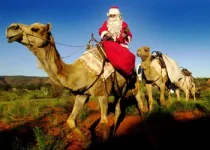
Kenyan Santas have definitely made the tradition their own. They might arrive on a boda boda or a tuk tuk, blend Swahili greetings with the classic laugh, and focus messages on community and gratitude. The work also drives charity, with visits to hospitals or children's homes. For the performers, it is more than a paycheck. It is about creating a moment of magic and hope, a temporary escape that, as Omwenga notes, can even inspire a child to want to spread happiness themselves. The figure has become a cultural hybrid, a symbol of festive joy adapted with local creativity.
The business around Santa has grown fast, fueled by shopping centers, corporate parties, and charity events. Agencies now recruit and train performers, with one in Nairobi managing over a hundred Santas. They learn how to stay in character, handle children, and navigate the unique challenges of the job. This includes sweating in heavy suits under the hot sun and fielding heartbreaking requests from kids for basic needs like school fees or family reconciliation. Safety handlers often help manage crowds. The costumes themselves support a local microeconomy, with suits made in places like Kamukunji and Eastleigh, ranging from basic to premium imported versions.
Kenyan Santas have definitely made the tradition their own. They might arrive on a boda boda or a tuk tuk, blend Swahili greetings with the classic laugh, and focus messages on community and gratitude. The work also drives charity, with visits to hospitals or children's homes. For the performers, it is more than a paycheck. It is about creating a moment of magic and hope, a temporary escape that, as Omwenga notes, can even inspire a child to want to spread happiness themselves. The figure has become a cultural hybrid, a symbol of festive joy adapted with local creativity.