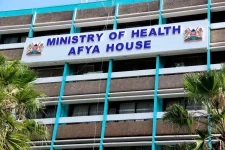
Kenya's cancer care target took a hard hit, with the Health Ministry logging just 9,173 chemo and radiation sessions out of 47,646 planned. That left the medical services team at a mere 19% of its goal. Not a great stat for patients who rely on those services.
And the budget figures make the gap worth a closer look. Kenya's health sector had Sh164.92 billion to work with, up from Sh135.2 billion in the prior budget cycle. Actual spending hit Sh157.2 billion, or 95% of the revised pot.
One catch, though. The Controller of Budget gave no clear cause for the cancer care gap, nor did the review pin down the number of patients affected by it. Cash went out, but the audit left key questions about care unanswered.
Meanwhile, Sh127.19 billion went toward medical services, while public health and professional standards got Sh37.72 billion. Those were the two main shares of the health budget.
Heart and chest operations also missed the mark. Surgeons did 1,023 procedures, while the plan called for 1,519. That left 496 cases below target. Yet keyhole surgery went the other way, with 9,852 procedures logged against a goal of 7,005.
Equipment spending had its share of issues. From a Sh4.11 billion budget, the health infrastructure unit used Sh2.98 billion. That came to 73%, the weakest spending rate among its peer units.
Elsewhere, care for mothers, infants, children, and teens used 78% of its funds. Vaccine management reached 82%. Each had room left in its budget.
Supply delays added another headache. Public clinics got an 81% order fill rate despite a 90% goal. Worse, the mean wait for an order hit 27.9 days when the target stood at just 10. That's a lot of extra time for basic supply work.
On the reform side, Kenya Kwanza is pushing its Universal Health Coverage plan. NHIF is being replaced by SHA, while new funds aim to back primary care and long-term illness treatment. Digital health tools and specialist gear also form part of the plan.
Cancer patients could get more aid under a separate proposal. Eligible people may qualify for as much as Sh800,000 each year by using SHA alongside chronic-care support. But that remains a proposed benefit, not proof that treatment gaps have closed.
And the budget figures make the gap worth a closer look. Kenya's health sector had Sh164.92 billion to work with, up from Sh135.2 billion in the prior budget cycle. Actual spending hit Sh157.2 billion, or 95% of the revised pot.
One catch, though. The Controller of Budget gave no clear cause for the cancer care gap, nor did the review pin down the number of patients affected by it. Cash went out, but the audit left key questions about care unanswered.
Meanwhile, Sh127.19 billion went toward medical services, while public health and professional standards got Sh37.72 billion. Those were the two main shares of the health budget.
Heart and chest operations also missed the mark. Surgeons did 1,023 procedures, while the plan called for 1,519. That left 496 cases below target. Yet keyhole surgery went the other way, with 9,852 procedures logged against a goal of 7,005.
Equipment spending had its share of issues. From a Sh4.11 billion budget, the health infrastructure unit used Sh2.98 billion. That came to 73%, the weakest spending rate among its peer units.
Elsewhere, care for mothers, infants, children, and teens used 78% of its funds. Vaccine management reached 82%. Each had room left in its budget.
Supply delays added another headache. Public clinics got an 81% order fill rate despite a 90% goal. Worse, the mean wait for an order hit 27.9 days when the target stood at just 10. That's a lot of extra time for basic supply work.
On the reform side, Kenya Kwanza is pushing its Universal Health Coverage plan. NHIF is being replaced by SHA, while new funds aim to back primary care and long-term illness treatment. Digital health tools and specialist gear also form part of the plan.
Cancer patients could get more aid under a separate proposal. Eligible people may qualify for as much as Sh800,000 each year by using SHA alongside chronic-care support. But that remains a proposed benefit, not proof that treatment gaps have closed.