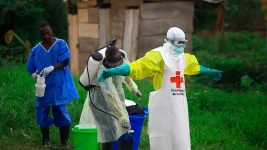
Lagos has ramped up Ebola checks after officials reported a Bundibugyo strain infection brought into Abuja. But there is no suspected patient in Lagos, per state health authorities. The aim is to spot any threat early while keeping the public calm.
Health commissioner Prof. Akin Abayomi says his team is working with key agencies to stay prepared. Staff at Murtala Muhammed International Airport have also met with health experts to review traveler checks, safety rules, data sharing, and plans for urgent action.
Ebola is no minor illness, either. It can kill, and people face the most risk when they touch blood or bodily fluids from a patient with symptoms. Dirty items, contact with dead patients, and infected animals can spread the virus as well.
Early signs may take 2 to 21 days to show up. Fever, weakness, head pain, sore muscles, throat pain, and stomach aches are among them. Some patients may vomit, have diarrhea, or suffer odd bruises and bleeding. Not every case has the same signs.
Here is the tricky part. Early Ebola symptoms can look much like malaria. Abayomi wants anyone with a fever to get a rapid malaria test before using malaria drugs, as state policy requires. A negative result means a doctor should check for other causes. Guessing and taking random medicine is not the move.
Anyone who falls ill after a risky trip or contact needs a quick medical check. Yet a person who thinks they may have met the virus should call health officials first. That gives the team a chance to advise on safe care.
Clean hands also matter. Residents should keep clear of fluids from sick patients, avoid dirty medical items, and leave ill or dead wild animals alone. Basic care can help cut the risk.
For people flying into Nigeria from places with Ebola cases, honest travel details are a must. Border health staff may ask about recent trips and signs of illness. Full answers and cooperation with checks can help them spot risks early.
And Lagos has channels for alerts. Residents can dial 112 or 767 to flag a possible case. Another route is the Directorate of Epidemiology, Biosecurity and Global Health at 0802 316 9485. Abayomi says health teams will stay on watch and issue further advice when needed.