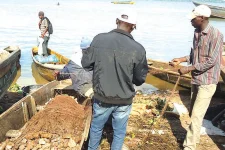
Aquaculture, particularly cage farming on Lake Victoria, is exploding across East Africa. This industry now supplies a quarter of Kenya's fish, supporting millions of people. The rapid growth faces a major threat from massive, repeated fish kills linked to water quality.
Researchers surveyed farmers in five Kenyan counties around the lake, documenting over eighty mass death events killing nearly two million tilapia recently. Most farmers blamed problems like foul-smelling, discolored water and algal blooms rather than disease. A rapid investigation of one event confirmed poor conditions with low oxygen, pointing to harmful algal blooms driven by fertilizer runoff and pollution. Opportunistic bacterial pathogens were also isolated from dead fish, with tests showing some drug-resistant strains.
The study highlights a critical gap in response, as few farmers reported kills to authorities or sought proper diagnosis before attempting treatments. Recommendations focus on a one-health approach. This includes landscape-level action to reduce nutrient pollution entering the lake.
Farmers are urged to site cages in deeper water, maintain clean nets, and properly dispose of dead fish instead of dumping them. Improved reporting, diagnostics, and training on feeding and net management can reduce stress on fish and curb unnecessary antibiotic use. Without these coordinated interventions, the sustainability of this vital food source remains at serious risk.
Researchers surveyed farmers in five Kenyan counties around the lake, documenting over eighty mass death events killing nearly two million tilapia recently. Most farmers blamed problems like foul-smelling, discolored water and algal blooms rather than disease. A rapid investigation of one event confirmed poor conditions with low oxygen, pointing to harmful algal blooms driven by fertilizer runoff and pollution. Opportunistic bacterial pathogens were also isolated from dead fish, with tests showing some drug-resistant strains.
The study highlights a critical gap in response, as few farmers reported kills to authorities or sought proper diagnosis before attempting treatments. Recommendations focus on a one-health approach. This includes landscape-level action to reduce nutrient pollution entering the lake.
Farmers are urged to site cages in deeper water, maintain clean nets, and properly dispose of dead fish instead of dumping them. Improved reporting, diagnostics, and training on feeding and net management can reduce stress on fish and curb unnecessary antibiotic use. Without these coordinated interventions, the sustainability of this vital food source remains at serious risk.