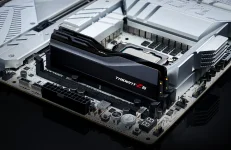
Lenovo has accumulated component stockpiles approximately 50 percent above normal levels to shield against memory price increases driven by artificial intelligence infrastructure demand, Chief Financial Officer Winston Cheng revealed. The strategy allows the world's largest computer manufacturer to maintain stable pricing through the current quarter despite tightening supplies of HBM, DDR, LPDDR, and GDDR products.
The company cautioned that pricing adjustments may become necessary during 2026 as memory scarcity persists across the industry. Analysts expect constraints to extend into 2027, affecting laptops and desktop systems while forcing competitors to raise costs. Consumer RAM modules have already experienced sharp price inflation, with graphics card manufacturers AMD and NVIDIA anticipated to follow suit across their product lines as shortages worsen throughout the computing sector.
The company cautioned that pricing adjustments may become necessary during 2026 as memory scarcity persists across the industry. Analysts expect constraints to extend into 2027, affecting laptops and desktop systems while forcing competitors to raise costs. Consumer RAM modules have already experienced sharp price inflation, with graphics card manufacturers AMD and NVIDIA anticipated to follow suit across their product lines as shortages worsen throughout the computing sector.