LiberNT is trying to run modern Windows 11 apps without using Microsoft's operating system. Developer Ahmed Arif is building the free, open-source project from ReactOS, with Windows 11 24H2 as its main target. It's a bold idea, but the software is still far from ready for daily use.
Unlike Linux, LiberNT aims to recreate the Windows NT system itself. That could let it run Windows programs and hardware drivers without relying on Microsoft's private code. ReactOS has chased a similar goal for years, though its focus has been on much older Windows releases.
The team has made some big changes under the hood. Memory handling, file caching, and NTFS storage all get new work. Modern graphics drivers and desktop effects are also part of the plan.
Hardware goals are quite broad. The project targets AMD64, ARM64, and RISC-V64 chips, along with PCIe, NVMe drives, and USB 3.0. Optional features cover WoW64 and FEX, which could help older x86 apps work on ARM64 devices.
Then there's the Linux part. Early tests show LiberNT can launch some Ubuntu programs without a Linux kernel or a full virtual machine. A few desktop apps even open in separate windows. But sound and GPU-based graphics do not work in that mode yet.
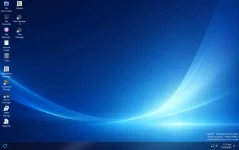
Visually, the desktop sticks close to Windows 11. Users get a taskbar, tabbed File Explorer, familiar menus, and a Settings app. The setup tool also offers downloads for Chrome, Firefox, and Steam. Getting those apps installed, though, does not mean they will work as expected.
AI has a role in the coding process as well. The team uses it to help write and check code, while human developers review and test the results. They also say their Windows features come from public technical data and tests rather than copied Microsoft code.
Here's the catch. Most builds are early debug versions, with patchy app support, missing drivers, and a real risk of crashes. Some virtual machine setups even need Secure Boot turned off. The developers advise testing on spare PCs or inside a VM, not on a main work machine.
An optional ICU 72.1-1 package for ARM64 is among the available releases, but that does not make the full OS stable. There's still a lot of work between an early demo and a system people can trust.
Proton helps Windows games work on Linux, while LiberNT takes a different path by recreating Windows-style system features. Whether that approach can handle a wide range of apps, games, and devices is still an open question.