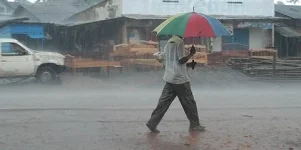
The Department of Climate Change and Meteorological Services predicts normal to above-normal precipitation for Malawi during the 2025/2026 rainy season. Officials warn that uneven rainfall distribution and elevated temperatures will create significant challenges across multiple sectors. February 2026 presents particular concerns as dry conditions may stress crops during their development phase. Agricultural regions in Mchinji, Dowa, Kasungu, and Lilongwe face below-average rainfall projections that threaten maize and legume yields. Heavy downpours could trigger flash floods and soil erosion.
Temperatures will exceed seasonal averages throughout most of the period. December and February will experience especially hot conditions that accelerate moisture loss from the soil. The combination of heat and irregular precipitation patterns may disrupt farming schedules and reduce harvest outcomes. Water resources, health services, education systems, transport networks, and energy production could face weather-related interruptions.
The Ministry of Natural Resources and Climate Change encourages sectors to implement early preparation measures and climate-resistant strategies.
Temperatures will exceed seasonal averages throughout most of the period. December and February will experience especially hot conditions that accelerate moisture loss from the soil. The combination of heat and irregular precipitation patterns may disrupt farming schedules and reduce harvest outcomes. Water resources, health services, education systems, transport networks, and energy production could face weather-related interruptions.
The Ministry of Natural Resources and Climate Change encourages sectors to implement early preparation measures and climate-resistant strategies.