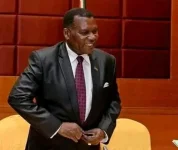
Malawi is scrambling to fix its sketchy overseas work deals before more citizens get trafficked. Foreign Minister George Chaponda, attending a Russia-Africa forum in Cairo, confirmed the government is urgently rewriting its labor export agreements with countries like Israel, Qatar, Oman, and Kuwait. They are also reworking a pending deal with Russia itself, aiming to bake in real legal protections after a wave of exploitation cases. This push follows the repatriation of abused workers from Oman and the alarming situation of at least four Malawian women reportedly stuck at Russia’s Alabuga drone factory.
The minister claimed the crisis of citizens allegedly trapped in Russian military facilities was not formally discussed at the Cairo summit, a stance that sparked immediate backlash. Governance expert Undule Mwakasungula called it a major failure, arguing the state has a constitutional duty to protect people abroad from forced labor and trafficking. This sentiment was echoed by Malawian professional Jan Kasunda, who viewed the silence as a missed chance to demand answers from Russian authorities and a stark reminder for Malawi to fix its own economy so people are not lured into modern slavery. The controversy is especially heated given reports of African students in Russia, like a Zambian and a Tanzanian, dying in Ukraine after being recruited from prison.
Legal analyst Kawepano Mbale pointed out the awkward diplomatic tension, noting Malawi’s reliance on Russian fertilizer and wheat imports amid a severe economic crisis. He stressed the government must still prioritize shielding young people from trafficking schemes disguised as job opportunities, despite these complex trade dependencies. The overhaul effort seeks to ensure future labor exports actually benefit the workers, not just the brokers and host countries, amid ongoing investigations with Kenya and Botswana to find and bring stranded citizens home.
The minister claimed the crisis of citizens allegedly trapped in Russian military facilities was not formally discussed at the Cairo summit, a stance that sparked immediate backlash. Governance expert Undule Mwakasungula called it a major failure, arguing the state has a constitutional duty to protect people abroad from forced labor and trafficking. This sentiment was echoed by Malawian professional Jan Kasunda, who viewed the silence as a missed chance to demand answers from Russian authorities and a stark reminder for Malawi to fix its own economy so people are not lured into modern slavery. The controversy is especially heated given reports of African students in Russia, like a Zambian and a Tanzanian, dying in Ukraine after being recruited from prison.
Legal analyst Kawepano Mbale pointed out the awkward diplomatic tension, noting Malawi’s reliance on Russian fertilizer and wheat imports amid a severe economic crisis. He stressed the government must still prioritize shielding young people from trafficking schemes disguised as job opportunities, despite these complex trade dependencies. The overhaul effort seeks to ensure future labor exports actually benefit the workers, not just the brokers and host countries, amid ongoing investigations with Kenya and Botswana to find and bring stranded citizens home.