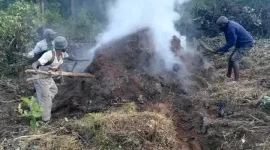
Malawi's forest cover is disappearing rapidly, with annual losses reaching 50,000 hectares according to environmental assessments. This degradation threatens water sources, wildlife habitats, and climate stability while roadside charcoal sales flourish openly along highways like the M1 corridor.
Government data indicates that over 97% of Malawian households depend on wood fuel, accelerating deforestation in reserves such as Perekezi, Mtangatanga, and Kaningina. Officials acknowledge the forestry service lacks resources to halt illegal logging and uncontrolled fires. Some experts propose assigning military personnel to guard critical forest zones, citing the armed forces' effectiveness in securing other national assets. Others suggest converting depleted reserves into wildlife parks to attract tourism revenue while protecting ecosystems. Environmental advocates stress that treating forests solely as fuel sources ignores their broader economic and ecological value. They urge authorities to enforce stricter protections and develop alternative energy solutions immediately.
Government data indicates that over 97% of Malawian households depend on wood fuel, accelerating deforestation in reserves such as Perekezi, Mtangatanga, and Kaningina. Officials acknowledge the forestry service lacks resources to halt illegal logging and uncontrolled fires. Some experts propose assigning military personnel to guard critical forest zones, citing the armed forces' effectiveness in securing other national assets. Others suggest converting depleted reserves into wildlife parks to attract tourism revenue while protecting ecosystems. Environmental advocates stress that treating forests solely as fuel sources ignores their broader economic and ecological value. They urge authorities to enforce stricter protections and develop alternative energy solutions immediately.