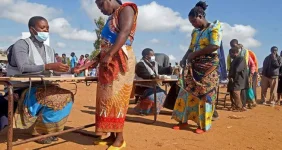
Malawi voters head to polls next September and political experts wonder if people still pick presidents based on where they come from. The country splits into three main areas that have always backed different parties for decades. Southern regions love the Democratic Progressive Party and Central areas support the Malawi Congress Party. Northern voters often swing between smaller parties and decide close elections. This regional loyalty started back in 1994 and has shaped every major vote since that time.
The 2020 election surprised many watchers when a coalition of nine parties won across all regions. The Tonse Alliance grabbed 58 percent of votes and broke traditional voting patterns that had lasted for years. Many people thought voters had finally started caring more about policies than tribal connections. Political leaders celebrated what looked like a major shift toward national unity. Survey data from 2022 shows voters do worry more about jobs and corruption than regional pride.
Young people especially care less about where candidates were born and more about what they promise to do. Over half of Malawi citizens are under 30 and they want solutions for unemployment and poor schools. Social media platforms let these voters hear different viewpoints instead of just local political bosses. Facebook and Twitter spread national debates that reach beyond village boundaries. Urban voters also focus more on candidate records than family backgrounds.
Political parties still pick running mates from different regions to balance their tickets and win maximum votes. Campaign workers ask voters if candidates are one of us rather than discussing policy plans.
The 2020 election surprised many watchers when a coalition of nine parties won across all regions. The Tonse Alliance grabbed 58 percent of votes and broke traditional voting patterns that had lasted for years. Many people thought voters had finally started caring more about policies than tribal connections. Political leaders celebrated what looked like a major shift toward national unity. Survey data from 2022 shows voters do worry more about jobs and corruption than regional pride.
Young people especially care less about where candidates were born and more about what they promise to do. Over half of Malawi citizens are under 30 and they want solutions for unemployment and poor schools. Social media platforms let these voters hear different viewpoints instead of just local political bosses. Facebook and Twitter spread national debates that reach beyond village boundaries. Urban voters also focus more on candidate records than family backgrounds.
Political parties still pick running mates from different regions to balance their tickets and win maximum votes. Campaign workers ask voters if candidates are one of us rather than discussing policy plans.