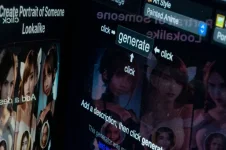
Artificial intelligence creates fake videos and audio recordings that appear authentic. These deepfakes threaten online truth by mimicking real people with startling accuracy. David Chak from Arus Academy warns that criminals exploit these tools for deception. Machine learning algorithms analyze existing footage to generate convincing imitations of voices and faces. Politicians and celebrities become frequent targets for fabricated content.
Detection methods examine blinking patterns and facial movements for irregularities. Researchers identify lighting inconsistencies and audio anomalies as warning signs. Commercial tools like Sentinel and Reality Defender analyze digital fingerprints to spot manipulation. However, compressed videos lose detection markers after multiple shares across platforms.
Malaysian fraud cases increasingly feature voice cloning technology. Criminals need only thirty seconds of recorded speech to create convincing duplicates. Dr. Mazlan Abbas advocates for stronger regulations and public awareness campaigns. Malaysia lacks specific deepfake legislation and relies on outdated communication laws. Educational programs should teach young people to identify and resist digital deception.
Detection methods examine blinking patterns and facial movements for irregularities. Researchers identify lighting inconsistencies and audio anomalies as warning signs. Commercial tools like Sentinel and Reality Defender analyze digital fingerprints to spot manipulation. However, compressed videos lose detection markers after multiple shares across platforms.
Malaysian fraud cases increasingly feature voice cloning technology. Criminals need only thirty seconds of recorded speech to create convincing duplicates. Dr. Mazlan Abbas advocates for stronger regulations and public awareness campaigns. Malaysia lacks specific deepfake legislation and relies on outdated communication laws. Educational programs should teach young people to identify and resist digital deception.