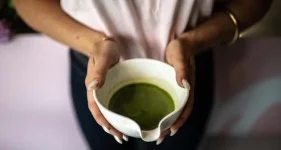
Hip cafes around the world serve matcha drinks to eager customers. Japanese tea makers cannot produce enough of the green powder to meet rising demand. The bright green tea comes from special leaves grown under shade before harvest. Workers hand-pick the leaves and grind them between stone mills for hours.
Matcha contains more caffeine than regular green tea but less than coffee. Each cup delivers about 48 milligrams of caffeine along with antioxidants. The powder also has a compound called L-theanine that helps people relax. Many drinkers enjoy the earthy grass taste and health benefits.
Social media helped spread matcha popularity across generations. Young people share millions of videos showing how to make the photogenic drinks. They demonstrate whisking techniques and explain different powder grades. Coffee shops from Los Angeles to London added matcha lattes to their menus.
Japan made over 4,000 tons of matcha last year compared to just 1,400 tons a decade earlier. More than half goes to other countries like America and European nations. The complex growing process makes matcha twice as expensive as regular tea leaves to produce.
Bakers use matcha powder for desserts and treats beyond drinks. Tea ceremonies in Japan created the tradition centuries ago during the 1500s. Modern wellness fans and weekend coffee shop visitors now drive the global craze for this ancient green powder.
Matcha contains more caffeine than regular green tea but less than coffee. Each cup delivers about 48 milligrams of caffeine along with antioxidants. The powder also has a compound called L-theanine that helps people relax. Many drinkers enjoy the earthy grass taste and health benefits.
Social media helped spread matcha popularity across generations. Young people share millions of videos showing how to make the photogenic drinks. They demonstrate whisking techniques and explain different powder grades. Coffee shops from Los Angeles to London added matcha lattes to their menus.
Japan made over 4,000 tons of matcha last year compared to just 1,400 tons a decade earlier. More than half goes to other countries like America and European nations. The complex growing process makes matcha twice as expensive as regular tea leaves to produce.
Bakers use matcha powder for desserts and treats beyond drinks. Tea ceremonies in Japan created the tradition centuries ago during the 1500s. Modern wellness fans and weekend coffee shop visitors now drive the global craze for this ancient green powder.