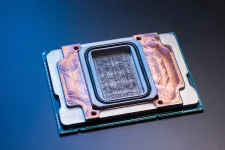
Microsoft researchers developed a revolutionary cooling system that channels liquid directly through AI chips. The technology replaces traditional heat sinks with microscopic pathways carved into chip surfaces. These channels measure the width of human hair and carry coolant through the processor itself.
Artificial intelligence monitors temperature variations across the chip during operation. The system redirects coolant flow toward areas generating excessive heat. This adaptive approach prevents thermal throttling while maintaining optimal performance levels across all chip regions.
Engineers drew inspiration from the natural fluid distribution systems found in leaf veins and the patterns of butterfly wings. Microsoft partnered with Swiss startup Corintis to create and test the biomimetic channel designs. The prototype demonstrates three times better cooling efficiency than current data center methods.
The experimental technology remains under development but shows promise for future AI accelerators. Direct chip cooling could reduce external cooling hardware requirements and lower energy consumption. This approach may complement existing solutions, such as immersion cooling, as AI workloads demand greater performance and efficiency.
Artificial intelligence monitors temperature variations across the chip during operation. The system redirects coolant flow toward areas generating excessive heat. This adaptive approach prevents thermal throttling while maintaining optimal performance levels across all chip regions.
Engineers drew inspiration from the natural fluid distribution systems found in leaf veins and the patterns of butterfly wings. Microsoft partnered with Swiss startup Corintis to create and test the biomimetic channel designs. The prototype demonstrates three times better cooling efficiency than current data center methods.
The experimental technology remains under development but shows promise for future AI accelerators. Direct chip cooling could reduce external cooling hardware requirements and lower energy consumption. This approach may complement existing solutions, such as immersion cooling, as AI workloads demand greater performance and efficiency.