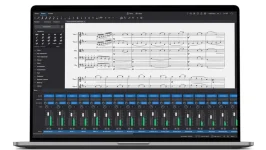
MuseScore 4.6 dropped with instant AI vocal playback that lets composers type lyrics and hear them sung in real time through a partnership with Cantai. The free notation software became the first desktop app to pull this off, and Muse Group stressed that the feature exists to help the composition process rather than replace actual singers. The voice library got built from recordings of paid and contracted vocalists, which addresses some ethical concerns around AI-generated content.
Cantai used to require separate web uploaders or plugins, but the integration into MuseScore means composers get near-instant feedback as they write notation. The system handles soprano, alto, tenor, baritone, and bass voices for rehearsal isolation, while English and Latin work at launch, with more languages coming later. The voices respond to dynamics, articulation, tempo changes, and breath marks across styles from classical opera to modern pop vocals.
Cantai used to require separate web uploaders or plugins, but the integration into MuseScore means composers get near-instant feedback as they write notation. The system handles soprano, alto, tenor, baritone, and bass voices for rehearsal isolation, while English and Latin work at launch, with more languages coming later. The voices respond to dynamics, articulation, tempo changes, and breath marks across styles from classical opera to modern pop vocals.