Zimbabwe possesses the world's second-largest chrome reserves and implements new policies linking major mining rights to local smelting capacity. The government requires companies seeking chrome mining concessions larger than 100 hectares to commit to building or expanding processing plants. Previous export bans on raw chrome failed between 2007 and 2015 due to technological limitations and high electricity costs. Special permits undermined recent restrictions, allowing continued raw material exports despite official prohibitions.
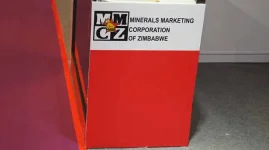
The Minerals Marketing Corporation supports the complete elimination of chrome ore exports as global markets face oversupply conditions. Ferrochrome sales reached 280,096 tonnes while chrome concentrate exports dropped 13 percent to 553,544 tonnes during the first eight months of 2025. Zimbabwe operates ten processing facilities with a combined annual capacity of 270,000 tonnes, ranging from 3,000 to 84,000 tonnes per producer. The new approach prevents speculative claim hoarding and forces serious investment in industrial development. Local beneficiation generates higher revenue than raw material exports while creating employment opportunities.
The Minerals Marketing Corporation supports the complete elimination of chrome ore exports as global markets face oversupply conditions. Ferrochrome sales reached 280,096 tonnes while chrome concentrate exports dropped 13 percent to 553,544 tonnes during the first eight months of 2025. Zimbabwe operates ten processing facilities with a combined annual capacity of 270,000 tonnes, ranging from 3,000 to 84,000 tonnes per producer. The new approach prevents speculative claim hoarding and forces serious investment in industrial development. Local beneficiation generates higher revenue than raw material exports while creating employment opportunities.