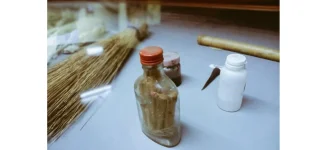
The Mutare Museum keeps a strange collection about lightning magic called "mheni." A family from Nyanga gave these objects to the museum back in the early 1990s. You can see a small red-capped bottle holding ten wooden sticks from the Black Monkey Orange tree. The collection also has a little kudu horn plus two containers filled with weird black and clear liquids.
These objects make people wonder how science meets African spiritual beliefs about lightning. Museum visitors feel both curious and nervous when looking at these items displayed together. Many folks believe someone used these things to call down lightning bolts. The mix of plant parts, animal pieces, and mystery liquids points to rituals from African spiritual practices.
Scientists explain regular lightning as electricity building up between positive and negative charges in the sky. When these charges grow far apart enough, energy bursts through as a lightning bolt jumping between clouds or hitting the ground. This happens because air becomes charged, heats up super fast, and turns into plasma that flashes bright. Weather conditions like humidity and wind patterns determine where natural lightning strikes.
But eastern Zimbabwe traditions tell a different story about "mheni" lightning. They say people can aim this special lightning at someone who did wrong. The Manyika people warn each other, saying "Tingoonana maenza," meaning "We shall meet when rains come." This scary warning tells wrongdoers they should make peace before someone calls down lightning on them.
Traditional experts claim certain herbs, bones, and special materials can summon targeted lightning after special chants. They believe the mutamba tree works as a channel for this power. The horn and mystery liquids might help direct the lightning bolt toward specific people. This belief creates an interesting puzzle for modern science to consider.
Can regular people really control where lightning hits? Weather experts have figured out how metal rods can influence electric charges, but directing natural lightning at specific targets remains unproven by science. Yet many stories exist about people who received warnings and later died from lightning strikes. These stories make the beliefs hard to dismiss completely.
Fear of lightning punishment helped keep order in communities long ago. It gave traditional justice systems real power over people. The Mutare Museum gives researchers and visitors a chance to think about these beliefs. People leave wondering if "mheni" might be real or just an old legend passed down through generations.
The collection connects logical scientific thinking with deep African views about forces humans might not fully understand yet. Whether you think lightning strikes happen randomly or believe someone can direct them at enemies, these stories show how rich African cultural traditions really are. The museum keeps these mysteries alive for future generations to discover and question.
These objects make people wonder how science meets African spiritual beliefs about lightning. Museum visitors feel both curious and nervous when looking at these items displayed together. Many folks believe someone used these things to call down lightning bolts. The mix of plant parts, animal pieces, and mystery liquids points to rituals from African spiritual practices.
Scientists explain regular lightning as electricity building up between positive and negative charges in the sky. When these charges grow far apart enough, energy bursts through as a lightning bolt jumping between clouds or hitting the ground. This happens because air becomes charged, heats up super fast, and turns into plasma that flashes bright. Weather conditions like humidity and wind patterns determine where natural lightning strikes.
But eastern Zimbabwe traditions tell a different story about "mheni" lightning. They say people can aim this special lightning at someone who did wrong. The Manyika people warn each other, saying "Tingoonana maenza," meaning "We shall meet when rains come." This scary warning tells wrongdoers they should make peace before someone calls down lightning on them.
Traditional experts claim certain herbs, bones, and special materials can summon targeted lightning after special chants. They believe the mutamba tree works as a channel for this power. The horn and mystery liquids might help direct the lightning bolt toward specific people. This belief creates an interesting puzzle for modern science to consider.
Can regular people really control where lightning hits? Weather experts have figured out how metal rods can influence electric charges, but directing natural lightning at specific targets remains unproven by science. Yet many stories exist about people who received warnings and later died from lightning strikes. These stories make the beliefs hard to dismiss completely.
Fear of lightning punishment helped keep order in communities long ago. It gave traditional justice systems real power over people. The Mutare Museum gives researchers and visitors a chance to think about these beliefs. People leave wondering if "mheni" might be real or just an old legend passed down through generations.
The collection connects logical scientific thinking with deep African views about forces humans might not fully understand yet. Whether you think lightning strikes happen randomly or believe someone can direct them at enemies, these stories show how rich African cultural traditions really are. The museum keeps these mysteries alive for future generations to discover and question.