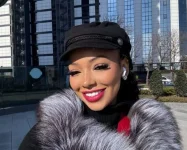
An influencer just told an AI to keep its digital hands to itself. South African personality Mihlali Ndamase issued a public command to Grok, the chatbot on platform X. She explicitly denied permission for the system to alter any photos of her. This applies to both past uploads and any future images she posts.
She further instructed the AI to ignore any user prompts requesting edits to her pictures. Her statement taps into growing discomfort over the chatbot's recently added features. Grok can now apply AI-generated changes to publicly available images. This occurs without notifying or getting consent from the person who originally posted the photo.
The backlash against this functionality is gaining momentum globally. Public figures are pushing for stronger boundaries around AI use of their likeness. Reports indicate users are prompting the tool to create sexualized edits of people. These non-consensual manipulations place individuals in revealing clothing or suggestive scenarios.
Critics highlight serious issues regarding digital consent and personal privacy. The practice is seen as a violation of individual dignity. Advocacy groups and some governments are now calling for stricter safeguards. Regulators in multiple countries are examining the feature under existing safety and data laws.
Pressure is increasing on social platforms to control AI-driven image manipulation. The situation represents a clash between emerging technology and personal rights. Ndamase's direct approach reflects a wider defensive stance among content creators. The outcome could influence how similar AI tools are developed and regulated moving forward.
She further instructed the AI to ignore any user prompts requesting edits to her pictures. Her statement taps into growing discomfort over the chatbot's recently added features. Grok can now apply AI-generated changes to publicly available images. This occurs without notifying or getting consent from the person who originally posted the photo.
The backlash against this functionality is gaining momentum globally. Public figures are pushing for stronger boundaries around AI use of their likeness. Reports indicate users are prompting the tool to create sexualized edits of people. These non-consensual manipulations place individuals in revealing clothing or suggestive scenarios.
Critics highlight serious issues regarding digital consent and personal privacy. The practice is seen as a violation of individual dignity. Advocacy groups and some governments are now calling for stricter safeguards. Regulators in multiple countries are examining the feature under existing safety and data laws.
Pressure is increasing on social platforms to control AI-driven image manipulation. The situation represents a clash between emerging technology and personal rights. Ndamase's direct approach reflects a wider defensive stance among content creators. The outcome could influence how similar AI tools are developed and regulated moving forward.