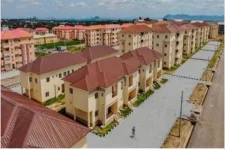
Real estate somehow thrived as Nigeria's third biggest economic sector despite brutal inflation and high interest rates. This resilience came from massive urban growth in cities like Lagos and Abuja, a huge population, and a crushing housing deficit estimated at around 28 million units. The market, now valued at trillions, saw rising property values and strong rental demand, though high construction costs created major affordability problems. Key drivers included significant diaspora remittances, a focus on new infrastructure, and government initiatives under the Renewed Hope Agenda, like building thousands of new housing units.
The sector's growth was fueled by specific trends and persistent challenges. Demand pushed prices up in high-growth areas such as Ibeju-Lekki, while investors looked to emerging corridors like Akute in Ogun State. The market saw a major shift toward short-term rentals and sustainable, solar-powered communities. However, the cost of materials like cement and cables doubled, or more, and high mortgage rates remained a barrier. Government programs launched affordable mortgage products and aimed to digitize land registries to unlock value, but their immediate impact was limited by the broader economic pressures.
Long-term prospects appeared strong for those who could navigate financing, with innovation in housing solutions and a continued influx of investment. The push for new manufacturing hubs for building materials aimed to cut future costs. While the government's agenda stimulated construction and policy reform, the real estate market in 2025 was ultimately defined by the clash between intense demand and the affordability gap worsened by inflation and borrowing costs.
The sector's growth was fueled by specific trends and persistent challenges. Demand pushed prices up in high-growth areas such as Ibeju-Lekki, while investors looked to emerging corridors like Akute in Ogun State. The market saw a major shift toward short-term rentals and sustainable, solar-powered communities. However, the cost of materials like cement and cables doubled, or more, and high mortgage rates remained a barrier. Government programs launched affordable mortgage products and aimed to digitize land registries to unlock value, but their immediate impact was limited by the broader economic pressures.
Long-term prospects appeared strong for those who could navigate financing, with innovation in housing solutions and a continued influx of investment. The push for new manufacturing hubs for building materials aimed to cut future costs. While the government's agenda stimulated construction and policy reform, the real estate market in 2025 was ultimately defined by the clash between intense demand and the affordability gap worsened by inflation and borrowing costs.