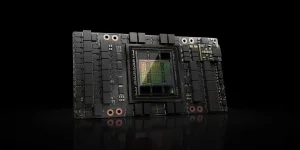
NVIDIA's Chinese clients want two million H200 chips, and they only have seven hundred thousand. This massive gap between demand and current inventory, reported by Reuters, is forcing the company and its partner TSMC into desperate supply chain maneuvers. The H200 AI processors, crucial for training advanced models, are seeing frantic orders from Chinese hyperscalers despite export restrictions, with an estimated average selling price of around twenty-seven thousand dollars each.
The primary bottleneck isn't chip fabrication but advanced CoWoS packaging capacity, a technology TSMC dominates. This packaging crunch is already straining production for NVIDIA's newer Blackwell products and other global clients. TSMC itself is grappling with skyrocketing capital expenses and labor shortages while trying to scale this complex process. The situation creates a severe logistical puzzle for NVIDIA, forcing it to potentially restart older Hopper production lines just to meet this unexpected surge.
This demand from China, potentially worth tens of billions, places immense pressure on the entire global AI chip supply chain. NVIDIA now has to balance fulfilling these enormous orders against already constrained supplies for the rest of the world. The rush is driven by the H200's significant performance lead over other options available in the region, making it a must-have for Chinese firms racing in the AI sector. How the company and its foundry partner navigate this shortage will directly impact the pace of AI development worldwide.
The primary bottleneck isn't chip fabrication but advanced CoWoS packaging capacity, a technology TSMC dominates. This packaging crunch is already straining production for NVIDIA's newer Blackwell products and other global clients. TSMC itself is grappling with skyrocketing capital expenses and labor shortages while trying to scale this complex process. The situation creates a severe logistical puzzle for NVIDIA, forcing it to potentially restart older Hopper production lines just to meet this unexpected surge.
This demand from China, potentially worth tens of billions, places immense pressure on the entire global AI chip supply chain. NVIDIA now has to balance fulfilling these enormous orders against already constrained supplies for the rest of the world. The rush is driven by the H200's significant performance lead over other options available in the region, making it a must-have for Chinese firms racing in the AI sector. How the company and its foundry partner navigate this shortage will directly impact the pace of AI development worldwide.