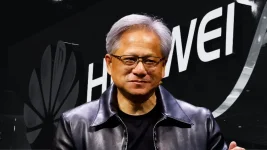
The Trump administration lifted restrictions on NVIDIA's H20 artificial intelligence processors primarily to counter Huawei's expanding influence within Chinese technology markets. AI czar David Sacks disclosed this strategic rationale during a Bloomberg Business interview, explaining that American officials sought to prevent the Chinese telecommunications giant from capturing complete market dominance. The decision reflects broader concerns about Huawei's CloudMatrix rack-scale systems competing directly with NVIDIA products across global markets.
Sacks endorsed NVIDIA chief executive Jensen Huang's argument that restricting American chip exports would accelerate Chinese technological supremacy worldwide. The policy reversal demonstrates how the administration embraced industry warnings about ceding strategic advantages to Beijing. American cloud service providers have renewed their interest in domestic AI hardware following the regulatory changes.
The AI czar advocated for extending similar access privileges to Gulf Coast nations, warning that continued export limitations would drive international customers toward Chinese alternatives. NVIDIA plans to deploy multiple product offerings for the Beijing market as the company attempts to reclaim lost commercial territory.
Sacks endorsed NVIDIA chief executive Jensen Huang's argument that restricting American chip exports would accelerate Chinese technological supremacy worldwide. The policy reversal demonstrates how the administration embraced industry warnings about ceding strategic advantages to Beijing. American cloud service providers have renewed their interest in domestic AI hardware following the regulatory changes.
The AI czar advocated for extending similar access privileges to Gulf Coast nations, warning that continued export limitations would drive international customers toward Chinese alternatives. NVIDIA plans to deploy multiple product offerings for the Beijing market as the company attempts to reclaim lost commercial territory.