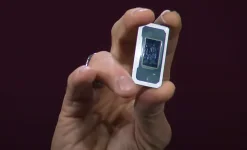
NVIDIA apparently took a look at Intel's 18A manufacturing process, sampling the tech after that big five billion dollar deal was announced. It did not lead to a foundry partnership, though, with reports saying Nvidia stopped moving forward. That testing phase is pretty standard for any fabless chip designer checking out a potential new supplier.
The key detail here is that Intel has mostly talked up its 18A node for its own power-efficient chips, like the upcoming Panther Lake. For external clients, especially high-performance computing giants like Nvidia, the real target is the next-generation 14A process. NVIDIA has already locked down production capacity with TSMC for their two-nanometer needs anyway, so Intel was never their first choice for leading-edge stuff. The CEOs from both companies clarified that their huge financial deal is about x86 collaboration, not foundry work.
This sampling news comes alongside reports that Intel's political lobbying secured major government support, positioning them as a preferred domestic manufacturer. That backing has apparently made foreign fabs like TSMC nervous about competing on a level playing field for US-based production contracts.
The key detail here is that Intel has mostly talked up its 18A node for its own power-efficient chips, like the upcoming Panther Lake. For external clients, especially high-performance computing giants like Nvidia, the real target is the next-generation 14A process. NVIDIA has already locked down production capacity with TSMC for their two-nanometer needs anyway, so Intel was never their first choice for leading-edge stuff. The CEOs from both companies clarified that their huge financial deal is about x86 collaboration, not foundry work.
This sampling news comes alongside reports that Intel's political lobbying secured major government support, positioning them as a preferred domestic manufacturer. That backing has apparently made foreign fabs like TSMC nervous about competing on a level playing field for US-based production contracts.