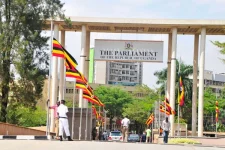
Parliament approved 10.5 trillion shillings in fresh borrowing over three days this week, increasing Uganda's total debt to 126.7 trillion shillings, or 56 percent of the country's gross domestic product. The figure exceeds the 50 percent ceiling that financial institutions recommend for developing nations with limited resources.
Lawmakers authorized the loans between Tuesday, Oct. 28 and Wednesday, Oct. 30, 2025, before adjourning for recess. The World Bank provided the largest share at $1.34 billion for rural development and education projects, while banks financed road construction and power transmission infrastructure across multiple regions.
Public debt stood at 116.2 trillion shillings in June 2025, marking a 26.2 percent jump from 89.5 trillion shillings one year earlier. External obligations account for roughly 66 trillion shillings, with domestic borrowing comprising 60.3 trillion shillings of the total.
Debt payments consume more than 30 percent of recurring government expenses, thereby reducing funds available for healthcare and education. The International Monetary Fund has warned that continued external borrowing may strain budgets and limit financial flexibility in the years to come.
Lawmakers authorized the loans between Tuesday, Oct. 28 and Wednesday, Oct. 30, 2025, before adjourning for recess. The World Bank provided the largest share at $1.34 billion for rural development and education projects, while banks financed road construction and power transmission infrastructure across multiple regions.
Public debt stood at 116.2 trillion shillings in June 2025, marking a 26.2 percent jump from 89.5 trillion shillings one year earlier. External obligations account for roughly 66 trillion shillings, with domestic borrowing comprising 60.3 trillion shillings of the total.
Debt payments consume more than 30 percent of recurring government expenses, thereby reducing funds available for healthcare and education. The International Monetary Fund has warned that continued external borrowing may strain budgets and limit financial flexibility in the years to come.