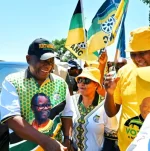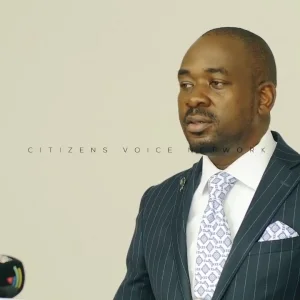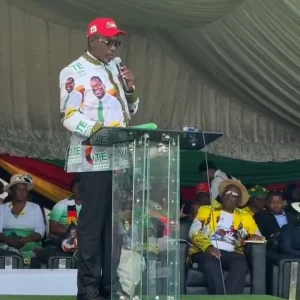
Cyril Ramaphosa has ruled out sabotage as the likely cause of South Africa's water cuts. During an ANC campaign visit to Mabopane, near Pretoria, the party leader said he had no firm reason to think anyone had tampered with supplies to sway the local council vote.
For Ramaphosa, the issue calls for facts rather than claims about foul play. He accepts that some people may seek to cause harm, but he still trusts staff in the state to act in good faith. In his view, the outages are more likely to be isolated faults than part of a planned attack.
Gauteng has had a rough run with water. Hot weather has pushed up demand, while old pipes and strained supply networks have left parts of Tshwane with weak taps or no flow at all. For many homes, getting clean water has become a daily concern.
Then there is the Bronkhorstspruit case. A treatment plant ran short of chlorine, and water went out to homes without proper treatment. Reports linked the fault to stomach illness in more than 800 people. Ramaphosa slammed Tshwane's handling of the crisis and called for a larger role from national officials.
The president has also backed a National Water Crisis Committee to get all levels of government working on the same plan. Its tasks cover pipe repairs, bulk supply, and waste reduction. He has warned that crime groups may damage water systems to drive demand for private tanker firms.
Back in Mabopane, the ANC has been going from house to house as its campaign nears its close. Basic needs have shaped many talks with locals, and water cuts sit high on that list. Power supply is another concern for people who want their councils to get the basics right.
Despite those issues, Ramaphosa said the welcome from residents had been good. He expects his party to retain strong backing in the township and hopes water woes will not keep people away from polling sites. The ANC also plans a final Siyanqoba Rally in the Eastern Cape.
But the water mess runs far past one area. Leaks, poor upkeep, illegal pipe links, and weak bill payments all play a part. El Niño has added strain in some regions, while certain large cities lose close to half their water before any customer gets billed.
Accountability is also on the table. Dozens of councils face criminal complaints over water duties, and Ramaphosa has warned that senior local officials may face personal legal action under the National Water Act if they fail to meet their duties.
In some areas near Mabopane, tanker trucks have had to fill the gap while repair crews work on lasting fixes. Ramaphosa expects relief for affected homes soon, though no firm deadline was given.
Across the political scene, rival parties have pointed to poor basic services as a key issue in the race. The ANC, for its part, says central government has begun to help councils tackle the faults. Residents still face the same practical test: whether clean water comes out when they turn on a tap.