Early reflections arrive before the dense late reverberant field and strongly influence how listeners perceive a room’s size and spatial character. They are already baked into many live recordings, room-miked drums, acoustic instruments, and vocals tracked away from heavy absorption.
Added reverb starts from a different position because you control its timing, tone, width, decay, and level after recording. Captured ambience comes with the performance, microphone position, spill, and whatever the room happened to contribute. Treating both as interchangeable usually creates more space, but not necessarily a more believable one.
Drums show this clearly. Close microphones provide attack and control, but room microphones can carry the scale of the kit and the way individual pieces excite the same space. Replacing every bit of it with a generic room preset may produce a cleaner result while losing the particular depth created during tracking.
Recorded ambience also follows the performance naturally. A harder snare hit excites the room differently from a soft one, and an acoustic guitar projects different frequencies in different directions. Artificial reverb receives whatever signal you feed it after capture, so it cannot reproduce every interaction that happened between source, room, microphone, and position.
Early reflections deserve separate attention because early lateral energy affects perceived spatial impression. A captured room can therefore keep announcing its character even after you shorten or reduce the obvious late tail. Removing decay alone does not automatically replace the acoustic identity already printed near the front of each sound.
The problem can become stranger rather than simply wetter. Captured early reflections still describe one acoustic space while the new reverb introduces another set of reflection timings, directions, and tonal changes. Both can be audible at once, especially on sparse arrangements where there is little masking.
Bleed makes the decision less tidy. A room microphone may contain cymbals, guitar amps, headphone spill, or audience noise alongside useful reflections, so turning it down changes more than reverberation. Artificial reverb adds space without reintroducing those unrelated sources, and you can automate its level independently throughout the arrangement.
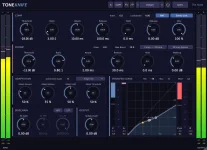
Reducing unwanted room sound before adding a new space can work better than piling effects onto it. A processor using VerbKnife’s decay and ambience controls can reduce some of the recorded decay before you decide what the replacement space should contribute. The goal is not automatic dryness.
Sometimes the captured early reflections are harder to remove cleanly than the tail. In those cases, a carefully chosen artificial early-reflection pattern can make the unwanted room less perceptually dominant, but pushing it too high can alter tone and stereo balance. More reflections mean more overlapping energy, so the cure can become another source of congestion.
When you add reverb afterward, decide whether you need early reflections, a late tail, or both. A source with useful captured early reflections may only need extra late decay. A very dry close microphone may need early reflections first so it sits at a believable distance before a longer tail is introduced.
Matching every source to one artificial room is not always necessary either. A lead vocal can keep a little recorded intimacy while drums carry a larger artificial space, provided the combination still reads clearly. Problems begin when several unrelated room signatures become equally obvious and start competing for attention.
The cleanest choice is often partial replacement. Reduce only the objectionable part of the recorded ambience, preserve whatever still sounds natural, then add the missing depth with controlled reverb. You keep useful acoustic information instead of flattening the recording into dryness and rebuilding the entire sense of space from scratch.
Added reverb starts from a different position because you control its timing, tone, width, decay, and level after recording. Captured ambience comes with the performance, microphone position, spill, and whatever the room happened to contribute. Treating both as interchangeable usually creates more space, but not necessarily a more believable one.
Good room sound often deserves to stay
A useful room does more than make a track wet. Early reflections can give close sources width, apparent distance, and a shared acoustic character, while later energy adds sustain and envelopment. If several microphones captured the same space coherently, removing all of it can make the recording smaller and less connected.Drums show this clearly. Close microphones provide attack and control, but room microphones can carry the scale of the kit and the way individual pieces excite the same space. Replacing every bit of it with a generic room preset may produce a cleaner result while losing the particular depth created during tracking.
Recorded ambience also follows the performance naturally. A harder snare hit excites the room differently from a soft one, and an acoustic guitar projects different frequencies in different directions. Artificial reverb receives whatever signal you feed it after capture, so it cannot reproduce every interaction that happened between source, room, microphone, and position.
Early reflections deserve separate attention because early lateral energy affects perceived spatial impression. A captured room can therefore keep announcing its character even after you shorten or reduce the obvious late tail. Removing decay alone does not automatically replace the acoustic identity already printed near the front of each sound.
Bad ambience becomes harder when new reverb is added
A poor room is different. Short, strong reflections from nearby walls can make vocals boxy, harden percussion, blur stereo placement, or give acoustic instruments a small-room signature that remains obvious in the mix. Adding a lush hall on top does not remove those cues.The problem can become stranger rather than simply wetter. Captured early reflections still describe one acoustic space while the new reverb introduces another set of reflection timings, directions, and tonal changes. Both can be audible at once, especially on sparse arrangements where there is little masking.
Bleed makes the decision less tidy. A room microphone may contain cymbals, guitar amps, headphone spill, or audience noise alongside useful reflections, so turning it down changes more than reverberation. Artificial reverb adds space without reintroducing those unrelated sources, and you can automate its level independently throughout the arrangement.
Reducing unwanted room sound before adding a new space can work better than piling effects onto it. A processor using VerbKnife’s decay and ambience controls can reduce some of the recorded decay before you decide what the replacement space should contribute. The goal is not automatic dryness.
Sometimes the captured early reflections are harder to remove cleanly than the tail. In those cases, a carefully chosen artificial early-reflection pattern can make the unwanted room less perceptually dominant, but pushing it too high can alter tone and stereo balance. More reflections mean more overlapping energy, so the cure can become another source of congestion.
Replacement reverb should solve a specific mismatch
Start with the driest usable version of the recording and listen for what the existing room contributes during active notes. Keep it when the space adds width, depth, or believable continuity without clouding articulation. Reduce it when the room imposes a character that fights the arrangement or makes several sources occupy the same murky distance.When you add reverb afterward, decide whether you need early reflections, a late tail, or both. A source with useful captured early reflections may only need extra late decay. A very dry close microphone may need early reflections first so it sits at a believable distance before a longer tail is introduced.
Matching every source to one artificial room is not always necessary either. A lead vocal can keep a little recorded intimacy while drums carry a larger artificial space, provided the combination still reads clearly. Problems begin when several unrelated room signatures become equally obvious and start competing for attention.
The cleanest choice is often partial replacement. Reduce only the objectionable part of the recorded ambience, preserve whatever still sounds natural, then add the missing depth with controlled reverb. You keep useful acoustic information instead of flattening the recording into dryness and rebuilding the entire sense of space from scratch.