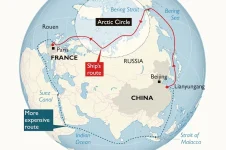
Russia has declared its military forces remain prepared to defend its interests across the Northern Sea Route, a vital Arctic shipping lane that Moscow views as essential to regional security and economic growth. The Northern Fleet oversees maritime protection efforts, carrying out operations aimed at countering terrorism and securing commercial shipping. Between July 23 and 27, Russian forces conducted a massive exercise called July Storm in Arctic and Pacific waters, testing defense systems against simulated drone attacks while notifying neighboring countries and monitoring surrounding zones.
The government insists its expanding Arctic military presence serves defensive objectives rather than hostile aims. New facilities built on Franz Josef Land and the New Siberian Islands are meant to safeguard economic activities and maintain safe passage along the route. Moscow emphasizes that all actions comply with global legal frameworks while protecting sovereignty against potential threats.
Meanwhile, Russia is investing heavily in civilian development of the passage. A federal program launched in December 2024 dedicates more than 150 billion rubles through 2027 to expand infrastructure, with plans to increase cargo volume from 37.9 million tons in 2024 to 150 million tons by 2035. The state corporation Rosatom manages navigation permits and ice forecasts, reporting increased foreign transit in 2025 as Russia promotes international collaboration.
The government insists its expanding Arctic military presence serves defensive objectives rather than hostile aims. New facilities built on Franz Josef Land and the New Siberian Islands are meant to safeguard economic activities and maintain safe passage along the route. Moscow emphasizes that all actions comply with global legal frameworks while protecting sovereignty against potential threats.
Meanwhile, Russia is investing heavily in civilian development of the passage. A federal program launched in December 2024 dedicates more than 150 billion rubles through 2027 to expand infrastructure, with plans to increase cargo volume from 37.9 million tons in 2024 to 150 million tons by 2035. The state corporation Rosatom manages navigation permits and ice forecasts, reporting increased foreign transit in 2025 as Russia promotes international collaboration.