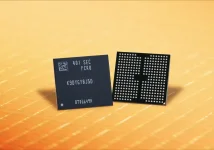
Samsung researchers just dropped a paper in Nature about ferroelectric transistor tech that slashes NAND flash power draw by 96 percent, which is kinda bonkers when you think about how much juice data centers and phones are gonna need as AI stuff keeps growing. The team of 34 people figured out how to use oxide semiconductors that were previously considered trash for high-performance chips because of their annoying threshold voltage issues.
The breakthrough came from using that same threshold voltage quirk to control leakage current in cell string structures where data gets stored in series. More cells typically means more power waste from leakage even when switches are off, but the ferroelectric transistor setup fixes that problem. The paper does not say when this tech will actually hit production lines, but if Samsung can get it into UFS 5.0 chips without hitting any weird manufacturing problems, pretty much everything from phones to storage arrays could benefit from the efficiency gains.
The breakthrough came from using that same threshold voltage quirk to control leakage current in cell string structures where data gets stored in series. More cells typically means more power waste from leakage even when switches are off, but the ferroelectric transistor setup fixes that problem. The paper does not say when this tech will actually hit production lines, but if Samsung can get it into UFS 5.0 chips without hitting any weird manufacturing problems, pretty much everything from phones to storage arrays could benefit from the efficiency gains.