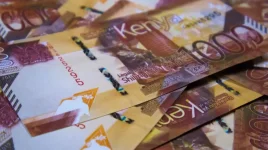
Africa's political party funding has a serious transparency gap, with its average score stuck below 10 out of 100. The African Institute for Development Policy (Afidep) found that secret donors and weak checks leave voters with little clue about who pays for political campaigns.
Kenya has a clear stake in this issue as parties gear up for the next general election. Big donors may help keep parties active, but voters have a harder task when cash flows stay hidden. And the risk of private interests gaining sway is hard to ignore.
Across 55 African Union states, election standards scored just 26.8, down from 29 in an earlier review. The Integrity Narratives 2026 study looked at how public bodies work in real life, not just what the rules say.
Under Kenya's Political Parties Act, parties can raise cash from members, donors, and state support. A legal fund run by the Office of the Registrar of Political Parties should get at least 0.3% of state revenue. Each eligible party gets a share based on votes and seats.
But the actual cash fell far short. The Auditor General found that Sh808.3 million reached the fund, equal to a mere 0.035% of state revenue. Earlier sums had slid from Sh2.47 billion to Sh884.25 million, leaving less support for party work at the local level.
Then came the audit mess. Jubilee, Pamoja Alliance, and Kenya African Democratic Union-Asili had Sh80.6 million in funds that auditors could not review due to late or missing accounts. Jubilee alone made up Sh74.05 million, with a row over control and who could sign its records holding things up.
Among 45 parties that did face checks, just 18 got clean audit results. Another 23 had qualified findings, three had adverse results, and one got a disclaimer. Seven parties also left gaps in their financial reports, with some failing to show cash paid by members.
And Kenya's rules are quite clear on paper. Section 29 calls for parties to reveal who gave them money, how much came in, and what they got from the public fund. Those details must reach a national paper and each party's website within 90 days after the fiscal year closes.
Section 31 adds a duty to keep sound records and send accounts for a yearly review. Yet weak compliance leaves the public with an incomplete view of who funds political groups and how those funds are handled.
Afidep sees a wider problem here. Rich donors and firms can pay for party work and public outreach, while weak disclosure makes their interests hard to track. The OECD's Anti-Corruption and Integrity Outlook 2026 flags a similar risk, as weak finance controls can let private interests shape public policy.