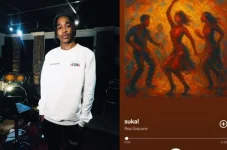
An AI-assisted track blew up, Twitter poked it with a stick, and suddenly South African music discourse is arguing with itself at full volume.
The song that kicked the hornet’s nest
The song that kicked the hornet’s nest
- Suka by Rea Gopane landed about a month back and did not arrive quietly.
- Fans ran with it fast, tagging it as a hit and replaying it into the algorithm.
- The hype stuck long enough to pull industry nerves into the chat.
- The track’s rise dragged artificial intelligence back into the music argument pile.
- Producers and artists started circling the question of what counts as real work.
- The song’s popularity made the debate unavoidable rather than theoretical.
- Sol Phenduka boosted the track on X with a playful jab about its length.
- That one post flipped the switch from fan chatter to industry pile-on.
- Replies from heavyweight names followed almost instantly.
- DJ Maphorisa jumped in with two words, pointing straight at AI.
- The comment landed sharply and stayed there.
- Online users read it as shade rather than a neutral observation.
- Some fans accused Maphorisa of brushing off Rea’s success.
- Others framed it as jealousy dressed up as critique.
- The replies got louder than the original comment ever was.
- Zee Nxumalo raised the money question instead of the artistry one.
- The focus shifted from creativity to whether AI tracks actually pay.
- That question hit closer to home for a lot of people.
- Users answered plainly that AI-generated music does earn cash.
- Streams still count as streams on platforms like Spotify.
- As long as listeners keep pressing play, revenue keeps ticking.
- Suka stays popular regardless of how it was made.
- AI in music keeps gaining attention, whether artists like it or not.
- The industry looks split between adapting fast and arguing loudly.