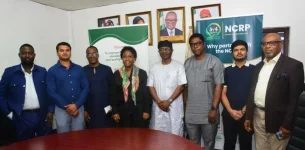
Nigeria is rolling out a digital tracking system for cooking gas cylinders to help keep unsafe tanks out of use. The Standards Organisation of Nigeria (SON) has launched the National Cylinder Recirculation Programme (NCRP), with plans to check, tag, and track LPG cylinders across the country.
Each cylinder will get a unique digital ID linked to a central registry. That record will help keep track of safety checks, repairs, refills, deliveries, and swaps. The goal is to make it easier to spot old, faulty, or unapproved tanks before they reach users.
But an old cylinder will not get a free pass just because it still holds gas. Approved testing centers, called Authorised Requalification Facilities (ARFs), will check tanks that enter the scheme. Those that pass can stay in use, while units that fail will need repairs or safe disposal.
For homes, the plan also brings a swap system. People will be able to take their used cylinders to approved shops and trade them in. The shops will then send the returned tanks for checks, with more tests carried out when needed.
Dr Ifeanyi Chukwunonso Okeke, who leads SON, says safe gas use depends on good-quality tanks and proper care at each stage. In his view, tracking each unit can help guard lives and homes while giving buyers more faith in LPG.
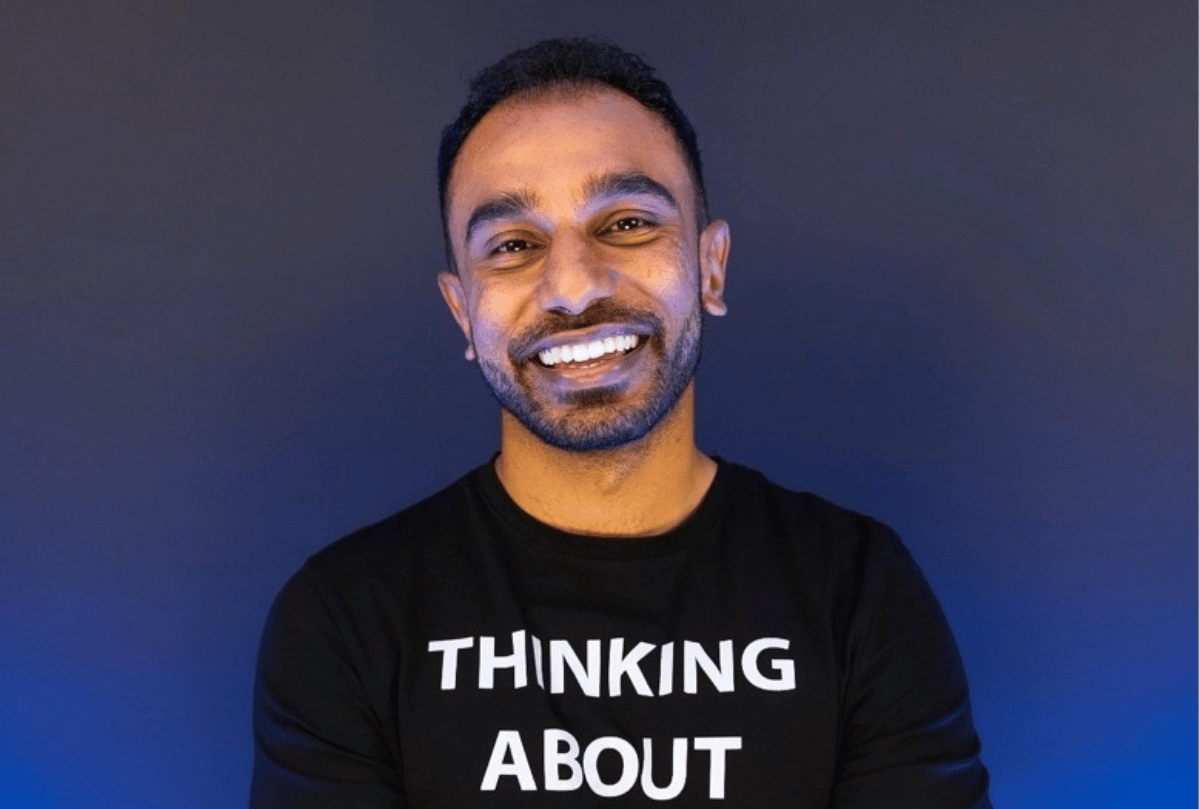
Dr Bekeme Olowola, head of the NCRP Secretariat and managing director of FuelTree, says the plan goes well past putting QR codes on metal tanks. It aims to link gas sellers, tank makers, shops, regulators, and test centers through one shared system.
There is a jobs angle as well. Under the Federal Government's Decade of Gas plan, the scheme could raise demand for local tank makers, testing firms, delivery teams, and other gas services. More homes using LPG may also mean less use of wood, charcoal, and kerosene for cooking.
Another possible benefit is climate funding. Olowola says data from the system may help prove cuts in emissions and support carbon credit claims. But any such credits would still need proper checks, approved methods, and clearance from regulators.
Better Gas is one of the firms taking part. Its general manager, Bolaji Orofinlu, says the company can use its small delivery hubs and tank-swap network in Abuja to help reach more homes. The focus is on getting gas to local shops and users in a safe, steady way.
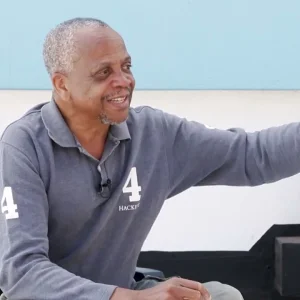
Bassey Essien, head of the Nigerian Association of Liquefied Petroleum Gas Marketers (NALPGAM), has backed the push to get worn-out tanks off the market. He even keeps a 60-year-old cylinder at his office as a sample of how long some units have been around.
SON is using powers under Act No. 14 of 2015 to guide the scheme. The Nigerian Midstream and Downstream Petroleum Regulatory Authority (NMDPRA), National Council on Climate Change (NCCC), and federal ministries covering trade, petroleum, and the environment are part of the effort.
After its first launch event in Lagos, the scheme will move through a staged rollout across all six of Nigeria's geopolitical zones. The next steps cover signing up industry groups, linking them to the registry, and getting the system into wider use.
Abuja will host a larger public launch alongside the Nigeria Clean Cooking Forum 2026. Organizers also plan to present the project at COP31 in Antalya, Türkiye, where Nigeria aims to share its plans for safer gas use and potential green funding.