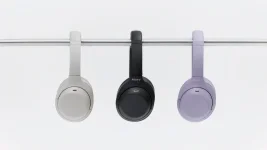
Sony rates the WH-1000XM4C at 27 hours with noise canceling on, three hours less than the original WH-1000XM4. The drop matters because this is not a ground-up successor, with Sony retaining the familiar folding shape, 40 mm driver class, wired listening, touch controls, DSEE Extreme, multipoint support, and the same SBC, AAC, and LDAC codec trio. More renovation than rebuild.
The XM4C sits inside Sony’s refreshed wireless headphone lineup, but its real story is selective modernization. If you already own a working XM4, the useful comparison is not whether the newer model has a higher number, but whether the small changes touch something you actually use. A narrower test.
One older convenience also appears to have disappeared, since Sony lists NFC on the original XM4 specification sheet but no longer lists it for the XM4C. Current setup instructions rely on standard Bluetooth pairing, so Android owners who used tap-to-pair lose a tiny shortcut. Hardly fatal, but genuinely different.
The physical experience stays unusually close to the 2020 model, including the folding travel design, 3.5 mm input, and passive playback when the battery dies. Recent hands-on testing also found the XM4C ear pads easier to remove than on an older XM4 sample, which could make cleaning and replacement less annoying over time. Small, practical maintenance wins.
Noise canceling is more interesting because independent lab measurements found stronger low-frequency attenuation on the XM4C, while also noting that fit may explain part of the difference. The basic feedback approach behind ANC is long established in Sony’s headphone noise cancellation patent, so seal quality and implementation still deserve attention when two similar headphones measure differently. Not a brand-new ANC philosophy.
Sony also keeps features that made the XM4 convenient rather than merely good at blocking noise, including Speak-to-Chat, Quick Attention, and Adaptive Sound Control. None of those are fresh reasons to replace an XM4, but their survival matters for someone buying into this older design because the convenience layer has not been stripped away to hit the lower price. Familiar tricks, still useful.
Sound tuning is where comparisons get less tidy, with early measurements describing the XM4C as broadly familiar rather than transformed. The expanded EQ therefore matters more than a vague promise of better sound because you can make deliberate adjustments yourself instead of waiting for a radically different factory tuning to justify the new suffix. Less magic, more control.
There is another wrinkle for long-term owners because current XM4C app documentation does not present the newer battery-care charging limit found on some other recent Sony headphones. Battery replacement is also not framed as a casual user procedure in Sony’s current help material, which makes the refresh less of a serviceability leap than the model suffix might suggest. Worth knowing before assuming otherwise.
A six-year-old XM4 can make the comparison misleading if its battery has already lost a meaningful chunk of capacity, since a fresh XM4C rated for 27 hours may still outlast an aging original in your bag. Pad wear can shift the experience too because seal quality affects low-frequency isolation and can influence measured ANC, so an old sample and a new sample are not always cleanly comparable. Age changes the baseline.
The XM4C sits inside Sony’s refreshed wireless headphone lineup, but its real story is selective modernization. If you already own a working XM4, the useful comparison is not whether the newer model has a higher number, but whether the small changes touch something you actually use. A narrower test.
The XM4C keeps the old platform deliberately familiar
Sony moved Bluetooth from version 5.0 to 6.0, yet the supported audio codecs remain SBC, AAC, and LDAC. You do not gain LC3, LE Audio, or Auracast simply because the Bluetooth number jumped forward, which makes the upgrade less dramatic than the specification sheet first suggests. A newer radio, not a new audio ecosystem.One older convenience also appears to have disappeared, since Sony lists NFC on the original XM4 specification sheet but no longer lists it for the XM4C. Current setup instructions rely on standard Bluetooth pairing, so Android owners who used tap-to-pair lose a tiny shortcut. Hardly fatal, but genuinely different.
The physical experience stays unusually close to the 2020 model, including the folding travel design, 3.5 mm input, and passive playback when the battery dies. Recent hands-on testing also found the XM4C ear pads easier to remove than on an older XM4 sample, which could make cleaning and replacement less annoying over time. Small, practical maintenance wins.
Noise canceling is more interesting because independent lab measurements found stronger low-frequency attenuation on the XM4C, while also noting that fit may explain part of the difference. The basic feedback approach behind ANC is long established in Sony’s headphone noise cancellation patent, so seal quality and implementation still deserve attention when two similar headphones measure differently. Not a brand-new ANC philosophy.
The software changes are bigger than the chassis changes
The old XM4 gives you a five-band equalizer in Sony’s companion app, while the XM4C expands that control to ten bands and adds a gaming EQ option. Ten bands will not turn the headphone into a studio calibration tool, but they give you finer control over broad tonal problems such as heavy bass, recessed presence, or an overly sharp upper range. Much more room to shape the sound.Sony also keeps features that made the XM4 convenient rather than merely good at blocking noise, including Speak-to-Chat, Quick Attention, and Adaptive Sound Control. None of those are fresh reasons to replace an XM4, but their survival matters for someone buying into this older design because the convenience layer has not been stripped away to hit the lower price. Familiar tricks, still useful.
Sound tuning is where comparisons get less tidy, with early measurements describing the XM4C as broadly familiar rather than transformed. The expanded EQ therefore matters more than a vague promise of better sound because you can make deliberate adjustments yourself instead of waiting for a radically different factory tuning to justify the new suffix. Less magic, more control.
Battery life exposes the clearest trade-off
Sony originally rated the WH-1000XM4 for up to 30 hours with noise canceling active and 38 hours with it off. The XM4C falls to 27 and 34 hours respectively, while full charging remains around three hours, so newer Bluetooth does not automatically translate into longer endurance here, even before listening volume and optional processing change real-world runtime. The published numbers move backward.There is another wrinkle for long-term owners because current XM4C app documentation does not present the newer battery-care charging limit found on some other recent Sony headphones. Battery replacement is also not framed as a casual user procedure in Sony’s current help material, which makes the refresh less of a serviceability leap than the model suffix might suggest. Worth knowing before assuming otherwise.
A six-year-old XM4 can make the comparison misleading if its battery has already lost a meaningful chunk of capacity, since a fresh XM4C rated for 27 hours may still outlast an aging original in your bag. Pad wear can shift the experience too because seal quality affects low-frequency isolation and can influence measured ANC, so an old sample and a new sample are not always cleanly comparable. Age changes the baseline.