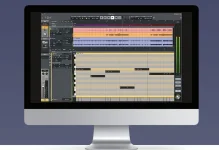
LUNA Studio costs $199 as a one-time purchase, while UAD Spark Studio costs $19.99 monthly or $149 annually and includes LUNA Studio. Those prices look close until the payment model starts doing the real work. One buys a permanent LUNA Studio license, while the other keeps a larger software library available for as long as the subscription remains active.
The distinction matters more than the first checkout screen suggests. LUNA 3.0’s two paid access routes lead to the same paid DAW, but they do not leave you with the same licenses once payments stop. Spark Studio also carries much more native UAD software than the standalone purchase.
Simple arithmetic exposes the trade-off quickly. Ten monthly Spark payments total $199.90, while one annual payment costs $149. A second annual payment takes two-year subscription spending to $298, even though the standalone LUNA Studio purchase remains $199.
The math only becomes meaningful once you decide whether the extra Spark titles have value to you. If they replace plug-ins you would otherwise buy, the subscription is buying more than access to LUNA.
Monthly billing has a different breakpoint. Eight months at $19.99 comes to $159.92, already above the $149 annual plan, while ten months reaches $199.90. Someone who needs Spark for only four active months would spend $79.96 instead, and UA lets subscribers pause or cancel rather than keep paying through an inactive period.
A formal model of perpetual and subscription software licensing treats the two as different contracts rather than interchangeable sticker prices. The distinction fits this choice neatly. Perpetual LUNA Studio concentrates the cost upfront, while Spark trades ownership for continuing access to a broader pool of software.
Spark Studio currently includes LUNA Studio plus 70 native UAD plug-ins, with new native additions joining the subscription over time. Its price therefore cannot be treated as $149 rent for LUNA alone. Part of the recurring bill pays for access to a substantially larger UAD catalog.
Existing UAD owners have a wrinkle here. UAD does not discount Spark because you already own some of the plug-ins included in the subscription, so a producer with a large permanent UAD collection can end up paying for access to titles already sitting in the account. A new user starting without that library is looking at a very different bundle.
The monthly plan can also make sense for short bursts of work. A producer mixing an album for three months would spend $59.97 at the current monthly price, then could stop before a fourth charge if the subscription was no longer needed. Continuous use changes the math fast, which is why annual billing overtakes monthly billing before the eighth month.
Licensing mechanics differ too. UA allows permanent native UAD and LUNA licenses to use local computer authorization on as many as three supported locations, while Spark subscriptions use iLok Cloud or a physical iLok USB instead of local-host authorization. Offline Spark use is possible with an authorized physical iLok, but the subscription itself still has to remain valid.
This matters when a session becomes an archive instead of a current project. A mix built around Spark-only processors may open years later with those licenses unavailable unless the subscription is active again or the same plug-ins were purchased separately. Printed audio remains printed, but editable processing chains depend on the licenses that created them.
A permanent LUNA Studio purchase avoids that subscription dependency for the DAW and the software included with the purchase. Spark gives broader access while it is active, but projects leaning heavily on its extra plug-ins carry a continuing licensing dependency that the $149 headline price does not show.
The distinction matters more than the first checkout screen suggests. LUNA 3.0’s two paid access routes lead to the same paid DAW, but they do not leave you with the same licenses once payments stop. Spark Studio also carries much more native UAD software than the standalone purchase.
Simple arithmetic exposes the trade-off quickly. Ten monthly Spark payments total $199.90, while one annual payment costs $149. A second annual payment takes two-year subscription spending to $298, even though the standalone LUNA Studio purchase remains $199.
The math only becomes meaningful once you decide whether the extra Spark titles have value to you. If they replace plug-ins you would otherwise buy, the subscription is buying more than access to LUNA.
The first year hides the ownership difference
Buying LUNA Studio outright costs $50 more than one year of Spark Studio at the current annual price. Looking only at year one therefore makes the subscription seem cheaper even before its larger plug-in library enters the picture. The comparison flips once a second annual billing cycle begins.Monthly billing has a different breakpoint. Eight months at $19.99 comes to $159.92, already above the $149 annual plan, while ten months reaches $199.90. Someone who needs Spark for only four active months would spend $79.96 instead, and UA lets subscribers pause or cancel rather than keep paying through an inactive period.
A formal model of perpetual and subscription software licensing treats the two as different contracts rather than interchangeable sticker prices. The distinction fits this choice neatly. Perpetual LUNA Studio concentrates the cost upfront, while Spark trades ownership for continuing access to a broader pool of software.
Spark Studio buys a wider library while you subscribe
Standalone LUNA Studio is not an empty DAW license. Universal Audio currently includes 30 UAD plug-ins and instruments, six ARA plug-ins, advanced smart features, and its built-in console and tape extensions with the $199 purchase. Those included products stay attached to the permanent purchase rather than requiring a Spark renewal.Spark Studio currently includes LUNA Studio plus 70 native UAD plug-ins, with new native additions joining the subscription over time. Its price therefore cannot be treated as $149 rent for LUNA alone. Part of the recurring bill pays for access to a substantially larger UAD catalog.
Existing UAD owners have a wrinkle here. UAD does not discount Spark because you already own some of the plug-ins included in the subscription, so a producer with a large permanent UAD collection can end up paying for access to titles already sitting in the account. A new user starting without that library is looking at a very different bundle.
The monthly plan can also make sense for short bursts of work. A producer mixing an album for three months would spend $59.97 at the current monthly price, then could stop before a fourth charge if the subscription was no longer needed. Continuous use changes the math fast, which is why annual billing overtakes monthly billing before the eighth month.
Ownership changes what happens to future sessions
Universal Audio says an outright LUNA Studio purchase stays yours whether or not you subscribe to anything else. LUNA Studio obtained through Spark remains tied to an active subscription, and cancelled Spark plug-in access continues only through the end of the current billing cycle. Once those subscription licenses expire, software you do not own separately can no longer authorize through Spark.Licensing mechanics differ too. UA allows permanent native UAD and LUNA licenses to use local computer authorization on as many as three supported locations, while Spark subscriptions use iLok Cloud or a physical iLok USB instead of local-host authorization. Offline Spark use is possible with an authorized physical iLok, but the subscription itself still has to remain valid.
This matters when a session becomes an archive instead of a current project. A mix built around Spark-only processors may open years later with those licenses unavailable unless the subscription is active again or the same plug-ins were purchased separately. Printed audio remains printed, but editable processing chains depend on the licenses that created them.
A permanent LUNA Studio purchase avoids that subscription dependency for the DAW and the software included with the purchase. Spark gives broader access while it is active, but projects leaning heavily on its extra plug-ins carry a continuing licensing dependency that the $149 headline price does not show.