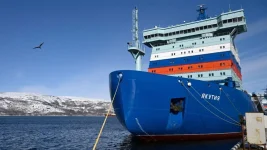
Russia sent its newest nuclear icebreaker on its first mission last week. The Yakutia left Murmansk heading toward the Kara Sea after completing a six-day journey from St. Petersburg. The vessel traveled 2,470 nautical miles through four seas at an average speed of 16 knots. Captain Dmitry Nikitin expressed confidence in his crew despite feeling nervous about the ship's first ice test.
The Baltic Shipyard built this Project 22220 nuclear vessel, which carries innovative technology never used before on nuclear ships. Its RITM-200 reactor generates 60 megawatts of power, allowing the ship to break through ice up to three meters thick. The Yakutia measures 173.3 meters long and weighs 33,540 tons. It received its Russian flag during an official ceremony last December.
These nuclear vessels help Russia develop its Northern Sea Route as part of a planned Transarctic Transport Corridor connecting St. Petersburg with Vladivostok. Cargo transportation along this route reached 37.9 million tons in 2024, exceeding the previous year's amount. Russian shipbuilders continue working on similar vessels, including the Chukotka and Leningrad icebreakers.
Russia aims to ensure year-round navigation through Arctic waters amid growing pressure from NATO countries. The Baltic Shipyard plans to start construction on another nuclear icebreaker, Stalingrad, this year. These vessels represent a unique competitive advantage for Russia in Arctic operations.
The Baltic Shipyard built this Project 22220 nuclear vessel, which carries innovative technology never used before on nuclear ships. Its RITM-200 reactor generates 60 megawatts of power, allowing the ship to break through ice up to three meters thick. The Yakutia measures 173.3 meters long and weighs 33,540 tons. It received its Russian flag during an official ceremony last December.
These nuclear vessels help Russia develop its Northern Sea Route as part of a planned Transarctic Transport Corridor connecting St. Petersburg with Vladivostok. Cargo transportation along this route reached 37.9 million tons in 2024, exceeding the previous year's amount. Russian shipbuilders continue working on similar vessels, including the Chukotka and Leningrad icebreakers.
Russia aims to ensure year-round navigation through Arctic waters amid growing pressure from NATO countries. The Baltic Shipyard plans to start construction on another nuclear icebreaker, Stalingrad, this year. These vessels represent a unique competitive advantage for Russia in Arctic operations.