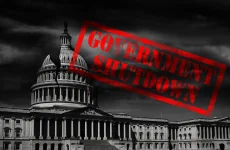
State and municipal governments have mobilized emergency resources to support millions of Americans affected by the ongoing 2025 federal shutdown, which has disrupted food assistance programs, housing benefits and federal paychecks. Leaders across the nation deployed local budgets, activated National Guard units and established relief initiatives to prevent hunger and homelessness while Washington remains gridlocked.
California Governor Gavin Newsom allocated $80 million for food banks, replacing lost federal SNAP funding, with National Guard personnel distributing supplies statewide. New York Governor Kathy Hochul designated the SNAP interruption a public health crisis and authorized more than $100 million for emergency food programs. Virginia Governor Glenn Youngkin launched weekly state-funded EBT payments through the Virginia Emergency Nutrition Assistance Program. New Mexico Governor Michelle Lujan Grisham directed $30 million toward emergency food deposits and provided $8 million for food banks.
Several governors declined to increase state spending. Florida Governor Ron DeSantis and Georgia Governor Brian Kemp rejected statewide relief efforts, leaving municipalities to respond independently. Miami-Dade partnered with Farm Share for large-scale food distributions, while Atlanta Mayor Andre Dickens converted recreation facilities into food collection points and suspended evictions in municipal housing. Texas similarly relied on local action, with Houston and San Antonio utilities halting disconnections and county officials authorizing temporary rental assistance.
California Governor Gavin Newsom allocated $80 million for food banks, replacing lost federal SNAP funding, with National Guard personnel distributing supplies statewide. New York Governor Kathy Hochul designated the SNAP interruption a public health crisis and authorized more than $100 million for emergency food programs. Virginia Governor Glenn Youngkin launched weekly state-funded EBT payments through the Virginia Emergency Nutrition Assistance Program. New Mexico Governor Michelle Lujan Grisham directed $30 million toward emergency food deposits and provided $8 million for food banks.
Several governors declined to increase state spending. Florida Governor Ron DeSantis and Georgia Governor Brian Kemp rejected statewide relief efforts, leaving municipalities to respond independently. Miami-Dade partnered with Farm Share for large-scale food distributions, while Atlanta Mayor Andre Dickens converted recreation facilities into food collection points and suspended evictions in municipal housing. Texas similarly relied on local action, with Houston and San Antonio utilities halting disconnections and county officials authorizing temporary rental assistance.