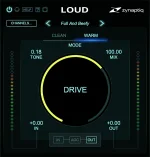
Zynaptiq WIDE uses four widening algorithms, including a mono-to-stereo mode, and can be set for mono-compatible operation during mastering. The practical question is not what stereo widening is in theory, but how much added width a finished mix can take before its center, low end, or mono fold-down starts changing in a way you did not want.
A mastering move affects the entire mix, so stereo width in mastering is a different job from widening one synth or reverb return. Small global changes can work well, but a stereo widening effect on the master also touches vocals, drums, ambience, and every other element already printed into the file. The Zynaptiq LOUD and WIDE release details establish where WIDE sits in the current Zynaptiq lineup, while the useful mastering decision starts with the behavior of the mix itself.
A good first pass is brutally simple. Level-match the processed and bypassed versions, switch to mono regularly, and listen for a weaker vocal, softer snare, thinner bass, or ambience that disappears instead of merely becoming narrower. Mono compatibility mixing is less about keeping stereo and mono identical than keeping the musical hierarchy intact when left and right are summed.
Traditional mid-side widening raises the Side component relative to the Mid component. A stereo image widening method can be described in exactly that sum-and-difference framework, although modern processors are free to use very different algorithms. Zynaptiq says WIDE does not rely on M/S widening, modulation or pitch effects, or different EQ for each channel, which matters when you are comparing a mastering stereo widening plugin with more conventional designs.
The safest target is usually not maximum spread. Mastering stereo width works better when you can name the actual problem, such as a mix feeling too narrow above the low mids while the vocal and bass already sit correctly. A broad stereo widening on mix bus material can move several relationships at once, so the improvement needs to survive both level matching and mono playback.
A phase correlation timeline is useful when a problem only appears on one chord, fill, or automated section. A phase correlation meter can warn you about suspicious relationships, but it is not a quality score. Brief negative movement can happen in perfectly usable stereo ambience, so stereo phase correlation still needs an audible mono check beside it.
Frequency matters too. The elliptical filter placement in the stereo low end shows why removing low-frequency Side energy before processing is not equivalent to removing it afterward. For mastering, this means a stereo widening algorithm that treats bands independently can behave very differently from one global width control, especially when bass energy is driving dynamics or saturation elsewhere in the chain.
Mono sources need a separate distinction. Increasing existing stereo separation cannot create left-right difference where none exists, which is why FL Studio stereo separation behaves differently from a processor designed to synthesize width. The mono-compatible Spreader workflow makes the same point from the opposite direction by creating stereo information rather than merely exaggerating what is already there.
Mastering widening is easiest to judge in the busiest section of the song. Compare the master in stereo, fold it to mono, return to stereo, then bypass the widening without changing playback level. If the processed version feels wider while the center stays firm, the bass keeps its weight, and the mono version preserves the important parts, the move is doing useful work instead of borrowing impact from channel cancellation.
A mastering move affects the entire mix, so stereo width in mastering is a different job from widening one synth or reverb return. Small global changes can work well, but a stereo widening effect on the master also touches vocals, drums, ambience, and every other element already printed into the file. The Zynaptiq LOUD and WIDE release details establish where WIDE sits in the current Zynaptiq lineup, while the useful mastering decision starts with the behavior of the mix itself.
A good first pass is brutally simple. Level-match the processed and bypassed versions, switch to mono regularly, and listen for a weaker vocal, softer snare, thinner bass, or ambience that disappears instead of merely becoming narrower. Mono compatibility mixing is less about keeping stereo and mono identical than keeping the musical hierarchy intact when left and right are summed.
Mastering width should solve a specific problem
Most stereo widening techniques alter the relationship between the left and right channels somehow. Some increase existing differences, some create new differences, and some work in frequency-dependent ways. If you are wondering how stereo widening works, the useful answer is that width comes from information the two channels do not share, but different processors create or reshape that difference in very different ways.Traditional mid-side widening raises the Side component relative to the Mid component. A stereo image widening method can be described in exactly that sum-and-difference framework, although modern processors are free to use very different algorithms. Zynaptiq says WIDE does not rely on M/S widening, modulation or pitch effects, or different EQ for each channel, which matters when you are comparing a mastering stereo widening plugin with more conventional designs.
The safest target is usually not maximum spread. Mastering stereo width works better when you can name the actual problem, such as a mix feeling too narrow above the low mids while the vocal and bass already sit correctly. A broad stereo widening on mix bus material can move several relationships at once, so the improvement needs to survive both level matching and mono playback.
Mono compatibility is where bad width reveals itself
A mono-compatible stereo widening move keeps important musical information present when the two channels are combined. Width itself has to shrink in mono, so loss of lateral space is normal. Trouble starts when tone, level, punch, or a key element drops because the widening created destructive left-right interaction.A phase correlation timeline is useful when a problem only appears on one chord, fill, or automated section. A phase correlation meter can warn you about suspicious relationships, but it is not a quality score. Brief negative movement can happen in perfectly usable stereo ambience, so stereo phase correlation still needs an audible mono check beside it.
Frequency matters too. The elliptical filter placement in the stereo low end shows why removing low-frequency Side energy before processing is not equivalent to removing it afterward. For mastering, this means a stereo widening algorithm that treats bands independently can behave very differently from one global width control, especially when bass energy is driving dynamics or saturation elsewhere in the chain.
Fix source problems before reaching for more master width
The best stereo widener for mastering cannot recover source-level control once a mix has been printed. If one chorus, short delay, or widened guitar is the thing collapsing in mono, fixing that element in the mix is cleaner than asking the master to compensate around everything else. The limits of stereo-bus mono repair become obvious once unrelated instruments share the same frequencies.Mono sources need a separate distinction. Increasing existing stereo separation cannot create left-right difference where none exists, which is why FL Studio stereo separation behaves differently from a processor designed to synthesize width. The mono-compatible Spreader workflow makes the same point from the opposite direction by creating stereo information rather than merely exaggerating what is already there.
Mastering widening is easiest to judge in the busiest section of the song. Compare the master in stereo, fold it to mono, return to stereo, then bypass the widening without changing playback level. If the processed version feels wider while the center stays firm, the bass keeps its weight, and the mono version preserves the important parts, the move is doing useful work instead of borrowing impact from channel cancellation.