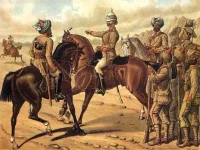
British colonial dominance across the Indian subcontinent depended fundamentally on massive armies composed primarily of native soldiers known as Sepoys, according to historical analysis by a researcher specializing in Indian history. These forces enabled territorial expansion while simultaneously creating profound anxieties among administrators who feared potential disloyalty from the very troops sustaining their power.
Parliamentary records reveal that European soldiers received priority protection despite Sepoys bearing the heaviest combat burdens and suffering higher casualty rates. Financial strain from maintaining these extensive military forces pushed the East India Company toward insolvency, resulting in delayed salary payments and administrative dysfunction that undermined troop morale.
The 1806 Vellore uprising demonstrated the catastrophic consequences of cultural insensitivity when British authorities imposed uniform regulations violating religious customs. The rebellion killed approximately 1,000 individuals, including over 200 British personnel, exposing the fragility of colonial control. Analysts argue this system exploited Indian manpower while maintaining structural suspicion, creating inherent instability within the imperial framework.
Parliamentary records reveal that European soldiers received priority protection despite Sepoys bearing the heaviest combat burdens and suffering higher casualty rates. Financial strain from maintaining these extensive military forces pushed the East India Company toward insolvency, resulting in delayed salary payments and administrative dysfunction that undermined troop morale.
The 1806 Vellore uprising demonstrated the catastrophic consequences of cultural insensitivity when British authorities imposed uniform regulations violating religious customs. The rebellion killed approximately 1,000 individuals, including over 200 British personnel, exposing the fragility of colonial control. Analysts argue this system exploited Indian manpower while maintaining structural suspicion, creating inherent instability within the imperial framework.