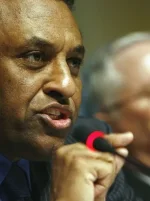
Sudan's leader delivered a blunt choice to the world: help us heal or watch us burn. Prime Minister Kamil El-Tayeb Idris presented a homegrown peace initiative to the UN Security Council, framing it as a critical partnership moment. He outlined a multi-layered plan to end hostilities and restore state authority after years of devastating conflict.
The government initiative proposes a comprehensive ceasefire monitored by international bodies. It demands rebel withdrawal from occupied areas and the gathering of militia fighters into designated camps for registration. This process aims to enable eventual disarmament and reintegration, preventing recycled violence.
Humanitarian access and civilian protection are central pledges. The plan commits to facilitating the return of displaced people and ensuring accountability for serious crimes through transitional justice. It promises not to strip returnees of identity documents, a key concern for many.
Security sector reform involves integrating eligible individuals into regular forces. Economic recovery would target war-ravaged regions like Darfur with reconstruction and job programs. The roadmap culminates in a national political dialogue leading to supervised elections.
This international push follows earlier diplomatic efforts in Kampala. Sudan's Ambassador there argued the conflict represents a continental test case against proxy warfare. A resulting symposium produced the Kampala Declaration, calling for African-led solutions to the crisis.
Many African governments view Sudan's war as a measure of continental sovereignty. The initiative presents a clear Sudanese-authored roadmap, shifting the question to international willingness to support it. The plan seeks a partnership for peace while asserting local ownership over the process.
The government initiative proposes a comprehensive ceasefire monitored by international bodies. It demands rebel withdrawal from occupied areas and the gathering of militia fighters into designated camps for registration. This process aims to enable eventual disarmament and reintegration, preventing recycled violence.
Humanitarian access and civilian protection are central pledges. The plan commits to facilitating the return of displaced people and ensuring accountability for serious crimes through transitional justice. It promises not to strip returnees of identity documents, a key concern for many.
Security sector reform involves integrating eligible individuals into regular forces. Economic recovery would target war-ravaged regions like Darfur with reconstruction and job programs. The roadmap culminates in a national political dialogue leading to supervised elections.
This international push follows earlier diplomatic efforts in Kampala. Sudan's Ambassador there argued the conflict represents a continental test case against proxy warfare. A resulting symposium produced the Kampala Declaration, calling for African-led solutions to the crisis.
Many African governments view Sudan's war as a measure of continental sovereignty. The initiative presents a clear Sudanese-authored roadmap, shifting the question to international willingness to support it. The plan seeks a partnership for peace while asserting local ownership over the process.