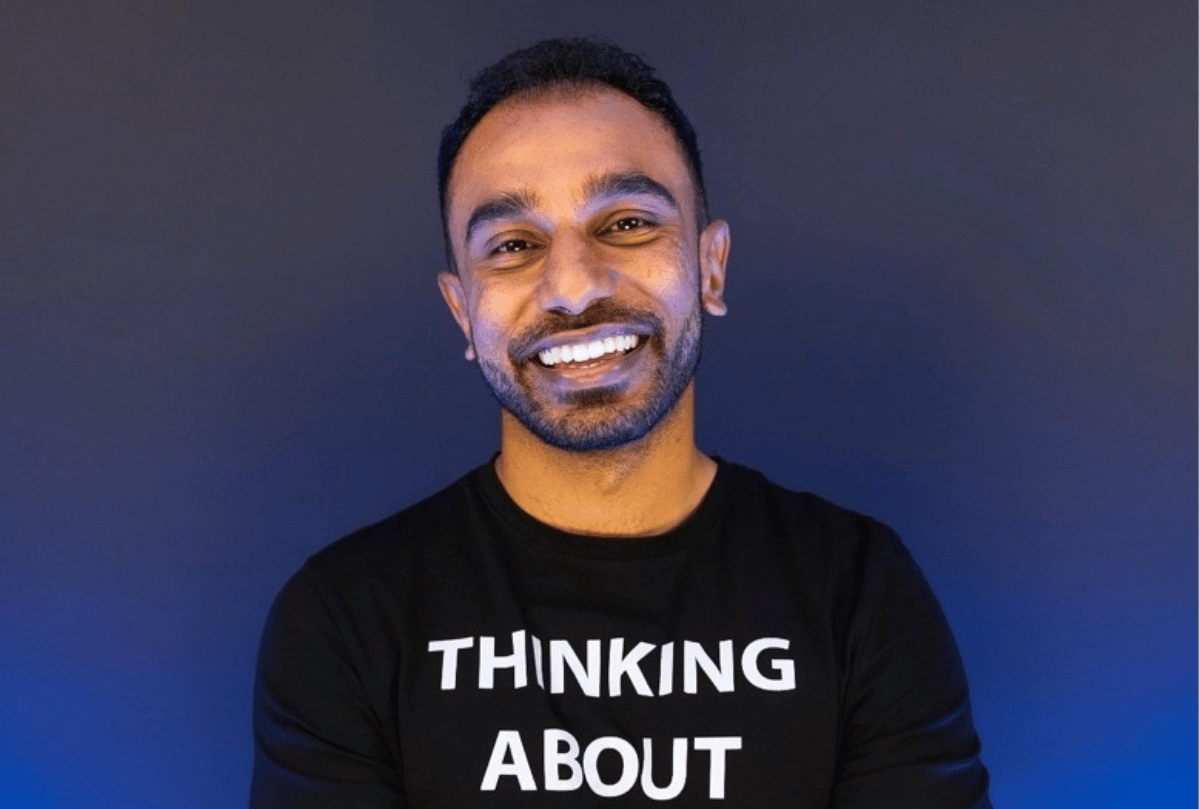
Suno wants a federal judge to throw out Jason Isbell's lawsuit over AI music. The Boston case also involves David Lowery, Guy Forsyth, and Eduardo Calle, who accuse the company of using artists' identities for commercial gain without consent.
Here's the legal twist. This is not a copyright case. The four musicians seek to represent other artists whose names Suno accepts in music prompts. Their 84-page complaint relies on publicity rights across more than a dozen states, rather than claims about copied songs.
Suno rejects the idea that a music style belongs to any one performer. Its lawyers argue that fans often use famous names to describe genres. A reference to Guns N' Roses, for instance, can serve as a quick way to describe a type of rock music.
And the company says its tech treats names as style cues. A prompt mentioning Isbell, for example, becomes a request for modern Americana music with fingerpicked guitar. That process led to Paper Bell, a track the artists cite as proof of alleged misuse.
But the two sides disagree on what Suno does with those names. CEO Mikey Shulman had claimed the service never let users request specific artists or protected songs. Suno later admitted that artist names became valid prompt text in January 2026, while insisting its system turns them into music traits.
Behind the scenes, Suno claims its model has no special field for artist names in its training data. A Duran Duran request, it says, gets turned into terms such as new wave, synth-pop, and pop rock before the AI receives its task.
The musicians see a different issue. Their complaint accuses Suno of linking names with music, written details, and cover art that recall real performers. They also allege that it pulled traits tied to those artists into its training process.
One odd detail concerns Taylor Swift. The artists say a user could get past Suno's name filter by putting spaces between letters. Suno calls these rare failures tied to unusual prompts about musicians who are not part of this case.
Another claim targets paid promoters. The musicians allege that Suno's marketing partners push ways to make tracks resemble known acts. That adds a business angle to their dispute over identity rights.
Suno's legal team has a more basic point. It argues that a private prompt from a user does not count as the company making public use of a celebrity's name. Its lawyers also dispute whether the law allows Suno to face liability for that user action.
Isbell's past comments enter the picture as well. Suno points to his praise for John Prine, Guy Clark, and Kris Kristofferson as musical influences. The defense says an artist can draw from another performer's style without violating publicity rights.
There's a First Amendment argument in play as well. Suno says free speech protections and federal copyright law defeat the state claims. Its view is that giving artists control over broad music traits would clash with the legal rules that let creators learn from earlier work.
Lowery gets special attention. Suno points out that songs by his groups, Cracker and Camper Van Beethoven, feature in a separate copyright fight brought by Universal Music Group and Sony Music Entertainment. The company argues that his role in that dispute raises issues for his bid to control those works through publicity law.
The plaintiffs also cite Suno's licensing deals with Warner Music Group and BMG. Their point is that permission from a label to use recordings does not grant rights over an artist's identity. Suno disputes the legal basis for that claim.
State law could be a key hurdle. The defense challenges the cases tied to Tennessee, Georgia, Texas, and Florida. For Isbell, it says the complaint does not show that Suno copied his actual voice, even though the artists point to clear male vocals and a country twang in Paper Bell.
There's an Illinois privacy claim as well. Suno argues that none of these four artists can bring a case under the state's Biometric Information Privacy Act. It also points to an earlier case from Illinois songwriter David Woulard and wants this claim dropped or put on hold.
Judge Angel Kelley has set the next steps. The musicians must file their response by December 1, and Suno gets until December 15 to reply. The court has yet to rule on the request for dismissal.