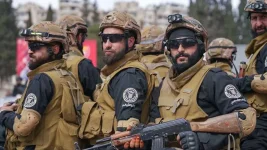
Syrian government forces and the Kurdish-led Syrian Democratic Forces have reached a ceasefire in Aleppo after several days of clashes, state media reported on Tuesday. The violence resulted in the deaths of a domestic security officer and a civilian, while dozens of families fled Kurdish-majority districts amid heavy gunfire and shelling. Local authorities urged residents to remain indoors as hospitals treated several wounded civilians. The Syrian Observatory for Human Rights reported drone attacks, communication blackouts, and increased military presence around contested areas.
The SDF denied initiating the violence, accusing pro-government factions of attempting a siege with armored vehicles. Kurdish residents reportedly joined local security units to defend their neighborhoods. Control of Aleppo remains divided, with Kurdish forces holding key districts despite the city's overall alignment with Damascus-aligned groups since December. The ceasefire follows a meeting between SDF Commander Mazloum Abdi and U.S.-led coalition officials, who discussed integrating Kurdish regions, lifting sanctions, and facilitating refugee returns.
Both sides reaffirmed their commitment to fighting ISIS and improving regional stability. However, tensions between Damascus and Kurdish authorities continue to rise over security, governance, and territorial control. Humanitarian conditions remain severe as civilians face ongoing displacement and disrupted access to basic services.
The SDF denied initiating the violence, accusing pro-government factions of attempting a siege with armored vehicles. Kurdish residents reportedly joined local security units to defend their neighborhoods. Control of Aleppo remains divided, with Kurdish forces holding key districts despite the city's overall alignment with Damascus-aligned groups since December. The ceasefire follows a meeting between SDF Commander Mazloum Abdi and U.S.-led coalition officials, who discussed integrating Kurdish regions, lifting sanctions, and facilitating refugee returns.
Both sides reaffirmed their commitment to fighting ISIS and improving regional stability. However, tensions between Damascus and Kurdish authorities continue to rise over security, governance, and territorial control. Humanitarian conditions remain severe as civilians face ongoing displacement and disrupted access to basic services.