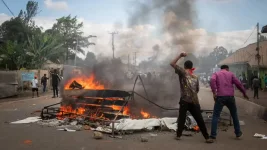
Tanzania faced a third day of internet blackout on Friday after Wednesday’s general elections, as protests and reports of unrest spread in Dar es Salaam, Dodoma, and other cities. President Samia Suluhu Hassan appeared headed for a landslide in a race marked by arrests and bans on opponents. Authorities imposed a curfew and sent in the military. In Zanzibar, the opposition ACT-Wazalendo rejected the declared results and called for a new vote. Foreign reporters were turned away, deepening an information gap.
Witnesses described street clashes, tire fires, and confrontations near polling sites. The army chief labeled protesters criminals and warned of firm action, while rights groups condemned abductions, arrests, and killings tied to the pre-election period. Anger has also focused on the president’s son, accused by critics of helping drive the clampdown.
With news sites idle and communications cut, verified details are scarce. The banned mainland party Chadema alleged more than 700 deaths, a figure that remains unconfirmed. The United Nations and African Union urged restraint and transparency. Analysts framed the vote as an effort by Hassan to cement power amid party rifts, with Chadema sidelined and its leader jailed on treason charges.
Witnesses described street clashes, tire fires, and confrontations near polling sites. The army chief labeled protesters criminals and warned of firm action, while rights groups condemned abductions, arrests, and killings tied to the pre-election period. Anger has also focused on the president’s son, accused by critics of helping drive the clampdown.
With news sites idle and communications cut, verified details are scarce. The banned mainland party Chadema alleged more than 700 deaths, a figure that remains unconfirmed. The United Nations and African Union urged restraint and transparency. Analysts framed the vote as an effort by Hassan to cement power amid party rifts, with Chadema sidelined and its leader jailed on treason charges.