Officials in Tanzania have locked down funding for a new dam in Kilosa District, Morogoro Region, a direct response to brutal flooding that wrecked homes and farms. Prime Minister Mwigulu Nchemba confirmed the plan for the Kidete Dam plus several other reservoirs while touring damaged areas like Kidete Ward and Gulwe Town, stating the goal is to control water flow and stop these disasters for good. He claimed the money is already secured, a process started under President Samia Suluhu Hassan.
The push for this infrastructure came from local security committees, who demanded dedicated structures to manage water. Nchemba has now ordered relevant ministers to get their technical teams moving fast, aiming to kickstart construction without any more delays. This long-term play follows years of temporary fixes, with the government implementing stopgap measures since 2010 and again more recently.
For the current crisis, they have released an initial 23 million shillings for emergency aid, though the total need is closer to 67 million. The remaining cash is supposed to come from talks between finance and disaster officials. Nchemba made a point to thank everyone helping out, warning against turning the suffering into a political stunt.
On the ground, District Commissioner Shaka Hamdu Shaka laid out the sheer scale of the damage. Heavy rains and winds hit multiple divisions, impacting hundreds of families. Places like Magole, Kidete, and Mikumi saw houses destroyed, roads wiped out, and power networks knocked down. Transport took a major hit, with routes around Kitete and the Kilosa to Uleling'ombe road becoming unusable, and a landslide on the Kilombero highway stopping traffic entirely.
Farmland got buried under sand and debris, a huge problem in a district where most people rely on agriculture. Even the railway system took damage, with the MGR line suffering major issues and the SGR seeing smaller impacts. Fallen power poles cut electricity until the utility company TANESCO, managed repairs.
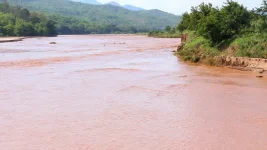
A particularly scary issue is a river that has shifted its path toward residential zones, threatening worse flooding if nothing is done. Shaka noted that past projects, like river embankments built by the government and military over a decade ago, had worked for years, and later efforts under President Hassan had also reduced risks. He expressed hope that with engineers and agencies like TARURA coordinating, they can finally find a permanent fix.
The push for this infrastructure came from local security committees, who demanded dedicated structures to manage water. Nchemba has now ordered relevant ministers to get their technical teams moving fast, aiming to kickstart construction without any more delays. This long-term play follows years of temporary fixes, with the government implementing stopgap measures since 2010 and again more recently.
For the current crisis, they have released an initial 23 million shillings for emergency aid, though the total need is closer to 67 million. The remaining cash is supposed to come from talks between finance and disaster officials. Nchemba made a point to thank everyone helping out, warning against turning the suffering into a political stunt.
On the ground, District Commissioner Shaka Hamdu Shaka laid out the sheer scale of the damage. Heavy rains and winds hit multiple divisions, impacting hundreds of families. Places like Magole, Kidete, and Mikumi saw houses destroyed, roads wiped out, and power networks knocked down. Transport took a major hit, with routes around Kitete and the Kilosa to Uleling'ombe road becoming unusable, and a landslide on the Kilombero highway stopping traffic entirely.
Farmland got buried under sand and debris, a huge problem in a district where most people rely on agriculture. Even the railway system took damage, with the MGR line suffering major issues and the SGR seeing smaller impacts. Fallen power poles cut electricity until the utility company TANESCO, managed repairs.
A particularly scary issue is a river that has shifted its path toward residential zones, threatening worse flooding if nothing is done. Shaka noted that past projects, like river embankments built by the government and military over a decade ago, had worked for years, and later efforts under President Hassan had also reduced risks. He expressed hope that with engineers and agencies like TARURA coordinating, they can finally find a permanent fix.