Graphics cards from the 1990s offered memory expansion capabilities that modern devices cannot provide. ATI manufactured the 3D Rage Pro in 1998 with a dedicated socket for additional video memory. Users could upgrade from the standard 4MB SGRAM configuration to 8MB by inserting extra modules. This upgrade path allowed gamers to enhance performance without purchasing entirely new hardware. The expandable memory system represented an early approach to modular graphics technology.
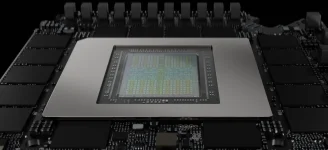
Contemporary graphics processors face technical barriers that prevent similar expansion options. GDDR memory modules lack the socketed design found in standard computer RAM. High-bandwidth requirements demand intricate circuit board layouts and specialized memory controllers. Modular slots would require longer signal pathways and extra connectors that reduce overall performance. These engineering challenges make expandable VRAM impractical for current graphics cards despite potential consumer benefits.
Contemporary graphics processors face technical barriers that prevent similar expansion options. GDDR memory modules lack the socketed design found in standard computer RAM. High-bandwidth requirements demand intricate circuit board layouts and specialized memory controllers. Modular slots would require longer signal pathways and extra connectors that reduce overall performance. These engineering challenges make expandable VRAM impractical for current graphics cards despite potential consumer benefits.