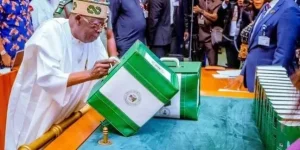
The president has proposed a massive budget for next year, but analysts are sounding alarms about its workability. Experts like Dr. Muda Yusuf of CPPE and others argue the government must boost revenue, slash borrowing, and improve project assessment to make it realistic. The budget projects spending over fifty-eight trillion naira with a huge deficit, financed partly by optimistic oil and exchange rate assumptions.
Key concerns focus on implementation and fiscal discipline. Yusuf warned against the National Assembly inflating the budget with pet projects, which would wreck its credibility. He stressed that debt servicing costs already eat up nearly half of projected revenue, squeezing funding for everything else. Other analysts, including Olatunde Amolegbe and Dr. Femi Ademola, questioned the logic of another expansive deficit budget, given past revenue shortfalls that crippled capital project execution. David Adonri called the deficit level dangerous, likely to fuel inflation, and argued disproportionate resources should go toward ending insecurity above all else.
In his speech, the president promised strict implementation timelines and warned against fiscal leaks. He directed agencies to meet revenue targets and linked their performance to digital tracking systems. The budget allocates large sums to defense, infrastructure, education, and health. He also issued a stark warning, stating any armed group operating outside state authority would now be classified as terrorists, including their enablers. The success of this budget, analysts agree, hinges entirely on achieving its revenue goals and executing projects effectively, something previous budgets have failed to do.
Key concerns focus on implementation and fiscal discipline. Yusuf warned against the National Assembly inflating the budget with pet projects, which would wreck its credibility. He stressed that debt servicing costs already eat up nearly half of projected revenue, squeezing funding for everything else. Other analysts, including Olatunde Amolegbe and Dr. Femi Ademola, questioned the logic of another expansive deficit budget, given past revenue shortfalls that crippled capital project execution. David Adonri called the deficit level dangerous, likely to fuel inflation, and argued disproportionate resources should go toward ending insecurity above all else.
In his speech, the president promised strict implementation timelines and warned against fiscal leaks. He directed agencies to meet revenue targets and linked their performance to digital tracking systems. The budget allocates large sums to defense, infrastructure, education, and health. He also issued a stark warning, stating any armed group operating outside state authority would now be classified as terrorists, including their enablers. The success of this budget, analysts agree, hinges entirely on achieving its revenue goals and executing projects effectively, something previous budgets have failed to do.