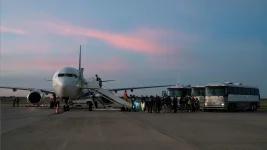
The Trump administration deported roughly 100 Iranians to their homeland aboard a chartered flight that left Louisiana on Monday night. The operation marks a sharp break from past American practice of sheltering people fleeing the Islamic Republic. Two senior Iranian officials and one American official confirmed the arrangement to media outlets.
Most deportees had their asylum claims rejected or never received immigration hearings. Some volunteered to leave detention centers after months of confinement while others did not choose departure. Iranian authorities promised the returnees that they would face no problems upon arrival, although officials acknowledged that many felt disappointed and frightened.
The collaboration between Washington and Tehran stands out given their hostile relationship. Earlier deportations this year sent Iranian Christian converts to Central American nations. Advocacy groups have filed lawsuits challenging these removals, arguing they endanger vulnerable populations.
Iran faces severe economic troubles with soaring inflation, currency collapse and power shortages. United Nations sanctions resumed Saturday, worsening conditions for returning deportees who also risk persecution as political dissidents, religious minorities or women's rights supporters.
Most deportees had their asylum claims rejected or never received immigration hearings. Some volunteered to leave detention centers after months of confinement while others did not choose departure. Iranian authorities promised the returnees that they would face no problems upon arrival, although officials acknowledged that many felt disappointed and frightened.
The collaboration between Washington and Tehran stands out given their hostile relationship. Earlier deportations this year sent Iranian Christian converts to Central American nations. Advocacy groups have filed lawsuits challenging these removals, arguing they endanger vulnerable populations.
Iran faces severe economic troubles with soaring inflation, currency collapse and power shortages. United Nations sanctions resumed Saturday, worsening conditions for returning deportees who also risk persecution as political dissidents, religious minorities or women's rights supporters.