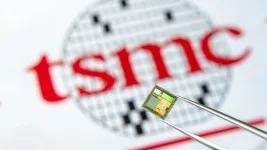
TSMC has apparently booked its entire 2nm production for 2026 already. Major clients like Apple, Qualcomm, and AMD are lining up, with Apple reportedly taking over half the initial output. The shift to a new GAA architecture from the older FinFET design is key, promising serious gains in speed and battery life for chips like the rumored A20 Pro.
This new node offers a big leap. TSMC's 2nm process could give a ten to fifteen percent performance boost at the same power draw. Alternatively, it might slash power use by up to thirty percent for equal performance. This tech uses stacked nanosheets for better current control, fixing leakage issues from previous generations.
While Samsung started 2nm production earlier, its yields might not be fully optimized yet. TSMC seems focused on nailing the quality first, even with a later start. Meeting this insane demand isn't cheap, requiring new plants and a record capital expenditure approaching fifty billion dollars. The whole industry's next performance jump hinges on this node ramping up successfully.
This new node offers a big leap. TSMC's 2nm process could give a ten to fifteen percent performance boost at the same power draw. Alternatively, it might slash power use by up to thirty percent for equal performance. This tech uses stacked nanosheets for better current control, fixing leakage issues from previous generations.
While Samsung started 2nm production earlier, its yields might not be fully optimized yet. TSMC seems focused on nailing the quality first, even with a later start. Meeting this insane demand isn't cheap, requiring new plants and a record capital expenditure approaching fifty billion dollars. The whole industry's next performance jump hinges on this node ramping up successfully.