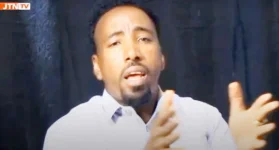
Ahmed Awga received a two-year prison sentence from an Ethiopian court for spreading hateful information through social media. The Jigjiga Television Network founder was convicted at the Fafen Zone High Court on May 22 for content he never actually posted. Authorities arrested Ahmed on April 23 after he interviewed a man whose son died during an alleged police beating. The court changed his original incitement charges to propagation of disinformation under Ethiopia's anti-hate speech law. Officials accused him of making statements about regional elections and government actions.
Investigation shows Ahmed was wrongly convicted for another person's Facebook post. The Committee to Protect Journalists found that Ahmed's account was just tagged in someone else's April 20 social media content. His name appeared on a post that came from a completely different Facebook page. Ahmed never wrote the statements that led to his conviction and prison sentence. The evidence clearly shows the court made a major error about who created the controversial content.
Ethiopia arrested at least six other journalists during April as the government increased control over media outlets. Regional President Mustafa Mohammed Omar defended the arrests during a BBC interview on May 27. He claimed four people face charges for harming security agencies and spreading false jail information. Press freedom advocates call Ahmed's case part of a broader crackdown on critical voices. Ethiopian authorities continue using legal systems to silence reporters and media workers.
Investigation shows Ahmed was wrongly convicted for another person's Facebook post. The Committee to Protect Journalists found that Ahmed's account was just tagged in someone else's April 20 social media content. His name appeared on a post that came from a completely different Facebook page. Ahmed never wrote the statements that led to his conviction and prison sentence. The evidence clearly shows the court made a major error about who created the controversial content.
Ethiopia arrested at least six other journalists during April as the government increased control over media outlets. Regional President Mustafa Mohammed Omar defended the arrests during a BBC interview on May 27. He claimed four people face charges for harming security agencies and spreading false jail information. Press freedom advocates call Ahmed's case part of a broader crackdown on critical voices. Ethiopian authorities continue using legal systems to silence reporters and media workers.