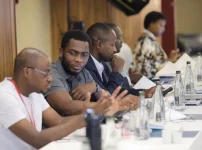
Last Friday, at the Kampala Serena Hotel, the International Center for Research on Women hosted an eye-opening discussion about social protection in Uganda. The event focused on systems that shield Ugandans from the risks and vulnerabilities they face throughout life. Many experts addressed the challenges of protecting citizens amid population growth and rising poverty levels across the country. The debate revealed both progress and significant gaps in current approaches.
Paul Onapa, deputy head of the Expanding Social Protection program from the Ministry of Gender, Labour and Social Development, shared key findings from the 2024 report. Since 2015, Uganda has built several protection systems, including a National Social Protection Strategy. These efforts include the Nutri Cash program, which serves 13,000 children with their lactating mothers, social security through NSSF, and grants reaching over 307,000 senior citizens throughout the nation.
The government allocates just 0.7 percent of GDP toward social protection, which falls short of actual needs. Onapa stressed the importance of creating systems that can adapt to natural disasters and changing conditions. Research at household, community, and national levels proves these programs make real differences. The monthly stipend of Shs 25,000 for persons 80 years and above has reduced poverty among recipients by 10 percent.
Benefits extend beyond direct recipients. School attendance improves for children under the care of older persons receiving stipends. Nutrition outcomes also improve as families increase meal consumption. The Shs 26 billion invested in grants for older persons stimulates local businesses and boosts purchasing power throughout communities where recipients live.
Dr. Fred Muhumuza, senior lecturer in economics and energy at MUBS, reflected on past systems compared to current approaches. He described the 1970s when students paid no school fees. Students simply passed exams, completed forms, and received admission letters from schools or nearby churches. The transportation worked differently back then. The Uganda Transport Company provided free bus service to anyone wearing a uniform, whether police, military personnel, or students.
Muhumuza believes this earlier approach offered better protection for citizens. Moses Segawa, partner at S&L Advocates, highlighted how current laws favor formal employment sectors and neglect informal workers. This observation resonated with attendees because, according to the Uganda Bureau of Statistics, over 80 percent of Ugandans work in informal sectors. This reality makes it difficult for protection schemes to reach most workers.
The instruments designed for social protection assume formal economic structures that do not match Ugandan reality. Mercy Grace Munduri from ActionAid Uganda emphasized the critical role of civil society organizations. She noted that 68 percent of 3,267 registered NGOs in Uganda focus on social services, health, and education to address gaps left by government programs.
Despite these efforts, the system remains underfunded and vulnerable to disruptions, as demonstrated during recent USAID funding cuts. Throughout the discussion, attendees shared examples of successful community-based solutions. The dialogue concluded with broad agreement that future progress requires greater collaboration among all stakeholders and more inclusive approaches to reaching all Ugandans needing protection.
Paul Onapa, deputy head of the Expanding Social Protection program from the Ministry of Gender, Labour and Social Development, shared key findings from the 2024 report. Since 2015, Uganda has built several protection systems, including a National Social Protection Strategy. These efforts include the Nutri Cash program, which serves 13,000 children with their lactating mothers, social security through NSSF, and grants reaching over 307,000 senior citizens throughout the nation.
The government allocates just 0.7 percent of GDP toward social protection, which falls short of actual needs. Onapa stressed the importance of creating systems that can adapt to natural disasters and changing conditions. Research at household, community, and national levels proves these programs make real differences. The monthly stipend of Shs 25,000 for persons 80 years and above has reduced poverty among recipients by 10 percent.
Benefits extend beyond direct recipients. School attendance improves for children under the care of older persons receiving stipends. Nutrition outcomes also improve as families increase meal consumption. The Shs 26 billion invested in grants for older persons stimulates local businesses and boosts purchasing power throughout communities where recipients live.
Dr. Fred Muhumuza, senior lecturer in economics and energy at MUBS, reflected on past systems compared to current approaches. He described the 1970s when students paid no school fees. Students simply passed exams, completed forms, and received admission letters from schools or nearby churches. The transportation worked differently back then. The Uganda Transport Company provided free bus service to anyone wearing a uniform, whether police, military personnel, or students.
Muhumuza believes this earlier approach offered better protection for citizens. Moses Segawa, partner at S&L Advocates, highlighted how current laws favor formal employment sectors and neglect informal workers. This observation resonated with attendees because, according to the Uganda Bureau of Statistics, over 80 percent of Ugandans work in informal sectors. This reality makes it difficult for protection schemes to reach most workers.
The instruments designed for social protection assume formal economic structures that do not match Ugandan reality. Mercy Grace Munduri from ActionAid Uganda emphasized the critical role of civil society organizations. She noted that 68 percent of 3,267 registered NGOs in Uganda focus on social services, health, and education to address gaps left by government programs.
Despite these efforts, the system remains underfunded and vulnerable to disruptions, as demonstrated during recent USAID funding cuts. Throughout the discussion, attendees shared examples of successful community-based solutions. The dialogue concluded with broad agreement that future progress requires greater collaboration among all stakeholders and more inclusive approaches to reaching all Ugandans needing protection.