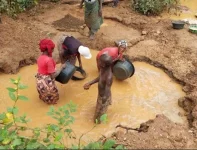
Uganda faces a major challenge with its mining industry. Small miners produce more than 90 percent of the country's minerals. These workers operate outside official systems and pay almost no taxes. The government loses millions in potential revenue each year. Hundreds of thousands of people depend on this work for survival.
Between 2014 and 2021, official small mining operations paid just 713.5 million shillings in taxes. This tiny amount shows how much money the country loses. Most miners work without permits or oversight. They extract gold, tin, tungsten and gemstones across rural areas. The informal system hurts both workers and the nation.
The government passed new mining laws in 2018 to fix these problems. The Mining and Minerals Act recognizes small-scale mining as legal business. Officials created different licenses for different types of miners. The law aims to bring order to a chaotic industry. Legal recognition opens doors for better regulation and safety.
Many miners remain unaware of the new rules. Others cannot afford the licensing costs or navigate complex paperwork. Civil society groups help train miners and form cooperatives. These organizations teach financial skills and safety practices. Paul Twebaze from ACODE says clear regulations and incentives help miners join the formal system.
Formalizing mining brings many benefits beyond tax revenue. It can reduce child labor and protect workers from abuse. International buyers want minerals they can trace to legal sources. Uganda must act quickly to transform this vital industry into a regulated sector that serves everyone.
Between 2014 and 2021, official small mining operations paid just 713.5 million shillings in taxes. This tiny amount shows how much money the country loses. Most miners work without permits or oversight. They extract gold, tin, tungsten and gemstones across rural areas. The informal system hurts both workers and the nation.
The government passed new mining laws in 2018 to fix these problems. The Mining and Minerals Act recognizes small-scale mining as legal business. Officials created different licenses for different types of miners. The law aims to bring order to a chaotic industry. Legal recognition opens doors for better regulation and safety.
Many miners remain unaware of the new rules. Others cannot afford the licensing costs or navigate complex paperwork. Civil society groups help train miners and form cooperatives. These organizations teach financial skills and safety practices. Paul Twebaze from ACODE says clear regulations and incentives help miners join the formal system.
Formalizing mining brings many benefits beyond tax revenue. It can reduce child labor and protect workers from abuse. International buyers want minerals they can trace to legal sources. Uganda must act quickly to transform this vital industry into a regulated sector that serves everyone.