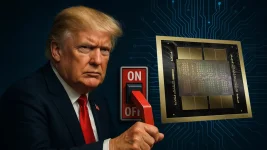
NVIDIA firmly rejected proposals for embedding kill switches and backdoors within artificial intelligence processors destined for Chinese markets. The company published a detailed blog post responding to inquiries from Chinese regulatory authorities about potential security vulnerabilities. Graphics processor manufacturer officials argued that such mechanisms would create security weaknesses for malicious actors to exploit. The firm referenced historical precedent through the Clipper Chip initiative, where government-mandated backdoors compromised system integrity and threatened national security.
Company executives emphasized their three-decade experience designing processors without intentional vulnerabilities. NVIDIA warned that implementing surveillance capabilities would damage global trust in American technology products and fragment international digital infrastructure. The semiconductor company stated that established legal frameworks require organizations to repair security flaws rather than deliberately create them. This public statement emerged after Chinese authorities began examining NVIDIA's H20 processors, potentially affecting future supply arrangements with domestic Chinese customers.
Company executives emphasized their three-decade experience designing processors without intentional vulnerabilities. NVIDIA warned that implementing surveillance capabilities would damage global trust in American technology products and fragment international digital infrastructure. The semiconductor company stated that established legal frameworks require organizations to repair security flaws rather than deliberately create them. This public statement emerged after Chinese authorities began examining NVIDIA's H20 processors, potentially affecting future supply arrangements with domestic Chinese customers.