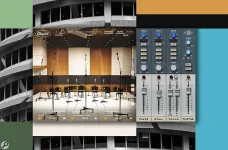
Universal Audio has released Capitol Studios, a $249 reverb plug-in that brings two famous recording rooms to a computer. The software recreates Studio A and Studio B at Capitol Studios, giving producers a way to use their room acoustics without a trip to the real place.
Frank Sinatra, Bob Marley, Green Day, Daft Punk, and Billie Eilish are among the artists linked to the facility. That is quite a lineup. The plug-in lets users put vocals, drums, and other tracks through virtual versions of the spaces where major records took shape.
Microphone placement gets a neat twist. Users can move virtual mics around and hear how each spot changes the sound in real time. Capitol veteran Steve Genewick helped pick the vintage mic setups, giving users a set of options based on gear used at the site.
Orchestral work gets a dedicated feature as well. A Decca Tree setup uses three microphones to record groups such as strings, brass, and choirs. It gives composers another way to shape the sound of an ensemble without setting up physical microphones.
Then there are the four echo chambers beneath Capitol Tower. Each one offers a way to add reverb and depth to a track. Rather than rely on a basic room effect, producers can work with models based on the facility's real acoustic spaces.
The gear side gets some love as well. Models of large British mixing desks and analog studio equipment let users add more of Capitol's signal chain to a mix. Presets made by engineers, producers, and musicians with ties to the facility offer a quick place to start.
Will Shanks, a senior product designer at Universal Audio, said the project grew from work with the Capitol team. They aimed to make the character of the rooms available to musicians who record in other places.
Compatibility is fairly broad. Windows users need Windows 10 or newer, while Mac users require macOS 11 or later. VST3, AU, and AAX formats cover the main plug-in options.
For anyone already on UAD Spark Studio, Capitol Studios comes with the subscription. Other users can buy it as a separate native plug-in. That gives home studios a way to try the room models without a full hardware setup.